
















Propane Regulator Failure Patterns in RVs and Why Testing Matters
Learn common RV propane regulator failure signs, why pressure testing matters, and when to schedule a safe propane system inspection.

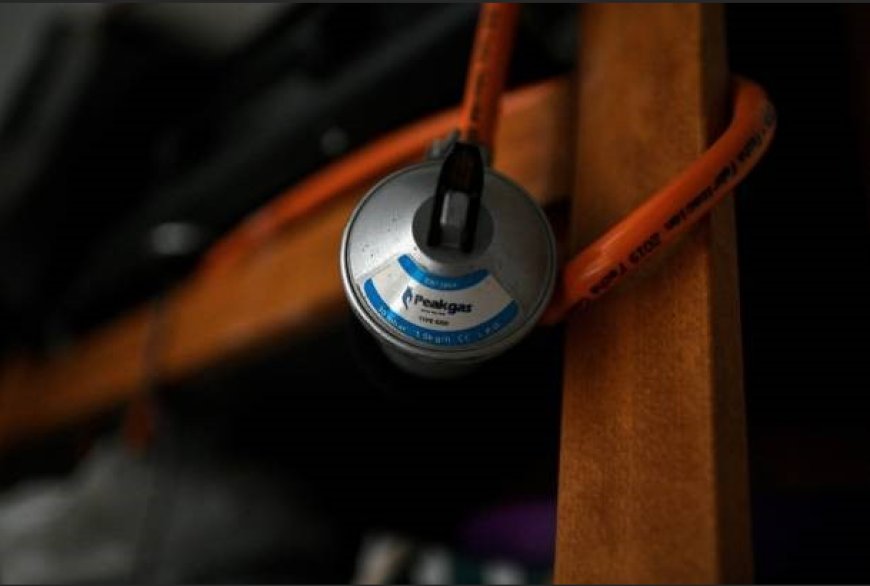
Propane problems in an RV can be confusing because they often look like appliance trouble at first. A weak stove flame, a furnace that starts and stops, a water heater that will not ignite, or a propane odor near the tank may all point to a deeper pressure issue. Understanding propane regulator failure is important because the regulator controls the gas flow that keeps propane appliances working safely and consistently.
When it starts to fail, symptoms can appear slowly or only under heavy use. Knowing the warning signs helps RV owners avoid guesswork and schedule proper testing before small concerns become serious risks.
Key Takeaways
-
The propane regulator controls gas pressure for RV appliances.
-
Weak flames, soot, odor, and shutdowns can signal pressure issues.
-
Several propane appliances failing together is a major warning sign.
-
Testing helps confirm the real cause before replacing parts.
-
Propane odors should always be treated as a safety concern.
-
A qualified technician should handle pressure testing and regulator repairs.
Propane Regulator Failure Patterns in RVs
Pattern 1: Weak Flame on Stove Burners
A stove burner often gives the first visible clue. The flame may look low, lazy, yellow-tipped, or uneven. It may also take longer to heat a pan or boil water. If the flame weakens when another propane appliance turns on, propane regulator failure may be affecting the gas pressure.
Why Testing Matters
A visual flame check is helpful, but it is not enough. Burner dirt, low fuel, trapped air, or a worn hose can look similar. A proper RV propane service confirms whether the pressure is steady before anyone replaces parts.
Pattern 2: Furnace Starts, Then Stops
The furnace may ignite, briefly blow warm air, then shut down. You may hear clicking, repeated restart attempts, or the blower running without reliable heat. This is especially frustrating on cold camping nights.
What It Can Mean
A furnace needs enough fuel flow when demand increases. If pressure drops during operation, propane regulator failure may be part of the problem. Still, the furnace itself also needs inspection because airflow switches, igniters, flame sensors, batteries, and vents can cause similar shutdowns.
Service Tip
A furnace annual service helps check the furnace and the propane supply together, which saves time and avoids guessing.
Pattern 3: Several Appliances Fail Together
One appliance acting up may be an issue with that appliance. Several propane appliances acting up at once point to a closer connection to the shared supply system. For example, the stove may burn weakly while the water heater refuses to light, and the refrigerator shows a gas fault.
What Should Be Checked
The regulator, tank valve, pigtail hoses, shutoff valves, and supply pressure should all be reviewed. This pattern is one of the strongest signs that propane regulator failure may be involved.
Pattern 4: Propane Odor Near the Tank Area
A propane smell near the tank, regulator, fittings, or hoses is never a normal maintenance issue. It may point to a loose-fitting, cracked hose, a damaged pigtail, a worn seal, or a regulator housing problem.
What Owners Should Do
Turn off the propane at the tank if it is safe to do so. Avoid flames, smoking, sparks, and electrical switches near the odor. Ventilate the area and step away if the smell is strong. If the RV is parked at home or a campground, mobile RV service can inspect the system without moving the unit.
Pattern 5: Soot or Yellow Flames
Soot marks, yellow flames, or dark residue near vents can mean propane is not burning cleanly. This is more than a cosmetic concern because poor combustion can affect appliance safety and performance.
Why the Regulator May Be Involved
Incorrect pressure can change how propane burns. Too much or too little pressure may cause flame problems, overheating, soot buildup, or stress on the appliance. In this case, propane regulator failure should be tested rather than assumed.
Pattern 6: Trouble After Storage or Tank Changes
Some propane problems can appear after a refill, a tank swap, or a long storage period. The issue may come from air in the line, an aging pigtail, a sticky tank valve, insects near vents, corrosion, or a regulator that no longer responds correctly.
Start-Up Checks
Open tank valves slowly, check for odor, inspect visible hoses, and test appliances one at a time. If performance is still uneven, have the system tested before relying on it during a trip.
Why Propane Regulator Testing Matters
It Prevents Costly Guesswork
Many symptoms overlap. A stove problem may not be the stove. A furnace problem may not be the furnace. Testing shows whether pressure is correct under real appliance demand, which is where weak regulators often reveal themselves.
It Improves Safety
Propane systems involve fuel, flame, pressure, and ventilation. Proper testing helps reduce the risk of leaks, poor combustion, and appliance damage. If your RV is already due for seasonal checks, it is also practical to ask about RV AC repair before summer heat arrives.
Conclusion
A working propane system makes RV travel more comfortable, especially when you rely on the stove, furnace, refrigerator, or water heater. Still, propane problems should never be handled by guessing. If symptoms appear across multiple appliances, or if flames look weak, yellow, or unstable, proper testing is the safest next step.
Propane regulator failure can affect performance, comfort, and safety, but early attention can prevent bigger problems. By watching for warning signs and calling a trained technician when needed, RV owners can protect their appliances and travel with greater peace of mind.
FAQs
How do I know if my RV propane regulator is bad?
Common signs include weak or yellow stove flames, propane odor, appliance shutdowns, soot, or several propane appliances acting up at the same time.
Can a propane regulator fail only sometimes?
Yes. A regulator may work with one small appliance but fail when several appliances demand propane at once. This is why testing under load is important.
Is it safe to keep using propane if I smell gas?
No. If safe, turn off the propane supply, avoid flames or sparks, ventilate the area, and contact a qualified technician before using the system again.
Why does my RV furnace start and then shut off?
It may be caused by low propane pressure, ignition problems, airflow issues, low battery voltage, or a faulty furnace component. A proper inspection can identify the cause.
Should I replace my RV propane regulator myself?
It is safer to have a qualified technician test the pressure and inspect the system. Incorrect installation or pressure settings can create safety risks.
What's Your Reaction?
 Like
0
Like
0
 Dislike
0
Dislike
0
 Love
0
Love
0
 Funny
0
Funny
0
 Angry
0
Angry
0
 Sad
0
Sad
0
 Wow
0
Wow
0