

















Tea Collections People Love: How to Build a Tasting Flight at Home
Learn how to create tea collections at home with tasting steps, brewing tips, flavor pairings, and simple serving ideas.

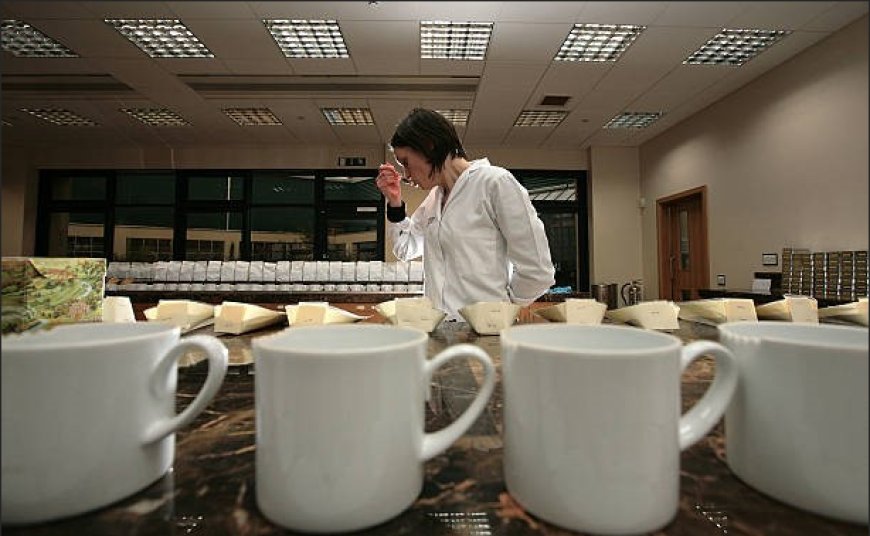
Tea collections bring variety, comfort, and a little ceremony into your home. Instead of serving a single familiar cup, a tea tasting experience lets you explore different flavors, aromas, colors, and finishes with greater intention.
From bold black teas and delicate greens to calming herbals and fragrant blends, each selection adds something unique to the table.
Creating your own tasting setup makes tea feel more personal, social, and memorable, helping you discover new favorites while turning a simple drink into a relaxing sensory experience.
Key takeaways
-
Use small cups to sample several teas easily.
-
Brew each tea at the right time and temperature.
-
Taste lighter teas before stronger or spiced blends.
-
Compare aroma, color, taste, and finish.
-
Take simple notes to remember favorites.
-
Serve neutral snacks to keep flavors clear.
Why People Love Tea Collections at Home
They Make Tea Feel More Intentional
Tea is often part of a daily routine, but tasting it with attention can make it feel new again. When you compare teas, you may notice that one smells floral, another tastes earthy, and another leaves a soft sweetness after each sip.
This can help you build better daily habits. You may choose organic green tea for a clean morning cup, organic chai tea for a cozy afternoon, and an herbal blend for the evening.
They Are Easy to Share
A tea tasting is a simple hosting idea for friends, family, or small gatherings. It works well for brunch, book clubs, wellness nights, birthdays, or quiet weekend afternoons. Guests can try different teas, compare notes, and choose their favorites.
You can keep the setup casual. Small cups, simple labels, and light snacks are enough to make the experience feel special.
They Help You Shop Smarter
Many people buy tea based on packaging or flavor names, then realize later that the taste is not what they expected. Tea tasting helps you understand your preferences before buying larger amounts.
This is similar to how coffee lovers compare roasted coffee beans before choosing a favorite roast. Side-by-side tasting makes differences in aroma, strength, body, and finish easier to recognize.
How to Set Up a Tea Tasting Experience at Home
Use Small Cups
Small cups make a tea tasting easier, cleaner, and more enjoyable. Instead of serving full mugs, pour small amounts so everyone can try several teas without feeling overwhelmed. Matching cups are helpful because they let you compare color, aroma, and strength more fairly. Clear glass cups can work especially well if you want guests to notice the difference between pale green tea, golden herbal tea, and deeper black tea.
Brew Each Tea Correctly
Good brewing makes a big difference. Each type of tea requires the right water temperature and steeping time. Green tea usually needs cooler water and a shorter steep, while black tea can handle hotter water and a longer brew. Herbal teas often need more time to release flavor. When building tea collections, brewing each tea correctly helps every sample taste the way it should.
Taste From Light to Strong Flavors
Start with lighter teas, then move to stronger, spicier, or richer blends. For example, begin with white tea or organic green tea, then try black tea, followed by organic chai tea or bold herbal blends. This order keeps strong flavors from overpowering your palate too early.
Compare Aroma, Color, Taste, and Finish
Before sipping, smell the tea and notice its aroma. Then look at the color, taste slowly, and pay attention to the finish. Some teas may feel grassy, floral, malty, spicy, earthy, or sweet. The finish is the flavor that stays after swallowing.
Take Notes on Favorites
Simple notes help you remember what you liked. Write down words such as smooth, strong, fresh, bitter, cozy, or best with milk. If your tasting table includes both tea and coffee, keep the cold brew grounds in a separate sample area to prevent the coffee aroma from overpowering the tea.
Keep Snacks Simple and Neutral
Serve plain crackers, shortbread, fruit, or mild nuts. Neutral snacks refresh the palate without covering the tea’s natural flavor. This keeps tea collections easier to compare and helps every guest notice the true character of each cup.
Conclusion
Creating a home tea tasting experience is a simple way to make everyday tea feel more thoughtful and enjoyable. Small cups, proper brewing, a light-to-strong tasting order, and simple notes can help you understand each tea more clearly. Neutral snacks keep the palate fresh, while careful comparisons make it easier to notice aroma, color, taste, and finish.
Tea collections also help you organize flavors with purpose, whether you prefer fresh green tea, warm chai, bold black tea, or herbal blends. With a little planning, your tea tasting can feel relaxed, personal, and memorable for everyone.
FAQs
How many teas should I include in a home tasting?
Three to five teas are best for most home tastings. This gives enough variety without overwhelming the palate.
Should I serve tea with milk and sugar?
Taste each tea plain first. After that, you can offer milk, sugar, honey, or lemon so guests can compare how each addition changes the flavor.
What is the best tea for beginners?
Organic green tea, English breakfast tea, peppermint tea, and mild chai blends are good beginner-friendly choices because they are easy to understand and widely enjoyed.
Can I create a tea tasting with only organic teas?
Yes. You can build a full tasting around organic green tea, organic chai tea, organic black tea, and organic herbal blends.
Can iced tea be part of a tea tasting?
Yes. Iced tea works well, especially in warm weather. Brew the tea ahead of time, chill it, and serve small portions.
What's Your Reaction?
 Like
0
Like
0
 Dislike
0
Dislike
0
 Love
0
Love
0
 Funny
0
Funny
0
 Angry
0
Angry
0
 Sad
0
Sad
0
 Wow
0
Wow
0