















PRP hair treatment in Riyadh vs medications for hair loss
PRP hair treatment in Riyadh vs medications for hair loss

The journey to address hair loss in Riyadh often involves navigating a landscape of varied clinical options. Two of the most common approaches—Platelet-Rich Plasma (PRP) therapy and pharmaceutical medications—offer fundamentally different mechanisms for managing thinning hair. Understanding the strengths, limitations, and synergistic potential of these two paths is essential for anyone aiming to protect their scalp health and hair density. PRP hair treatment in Riyadh is a widely chosen non-surgical solution that uses platelet-rich plasma to support natural hair growth and improve overall hair thickness.
The Mechanism of Action
To choose the right path, it is vital to understand what each treatment is trying to achieve.
Pharmaceutical Medications (The "DHT Blockers")
The gold standard in pharmaceutical hair loss treatment typically includes agents like finasteride or minoxidil.
-
Minoxidil: This is a vasodilator. By widening the blood vessels in the scalp, it improves blood flow to the follicles, which can stimulate a transition from the resting (telogen) phase to the growth (anagen) phase of the hair cycle.
-
Finasteride: This works by inhibiting the enzyme 5-alpha-reductase, which converts testosterone into dihydrotestosterone (DHT). DHT is the hormone responsible for the miniaturization of hair follicles in individuals with genetic predisposition (androgenetic alopecia). By lowering scalp DHT levels, the medication prevents the follicle from shrinking further.
PRP Therapy (The "Regenerative Signal")
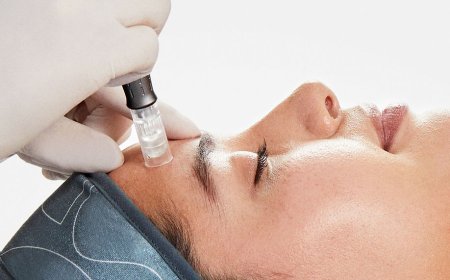
PRP does not alter your hormonal profile. Instead, it utilizes your body's own biological signaling molecules. By isolating concentrated platelets from your blood and injecting them into the scalp, PRP delivers a high dose of growth factors (such as VEGF, PDGF, and FGF) directly to the follicular base. This acts as a metabolic "nudge," promoting cellular repair, stimulating blood supply, and encouraging the follicle to produce thicker, more resilient hair strands.
Comparison: The Patient Experience
| Feature | Pharmaceutical Medications | PRP Therapy |
| Consistency | Requires daily, long-term use | Scheduled clinical sessions |
| Primary Goal | Stopping loss/Hormonal management | Regenerating tissue/Boosting caliber |
| Invasiveness | Non-invasive (topical/oral) | Minimally invasive (injections) |
| Systemic Effect | Possible (hormonal/vascular) | Highly localized; virtually zero |
| Longevity | Results stop if you cease usage | Requires periodic "booster" maintenance |
Pros and Cons: A Clinical Perspective
Pharmaceuticals
-
The Pros: Highly effective at halting the progression of genetic hair loss. For many, they are the first line of defense and are cost-effective over the long term.
-
The Cons: Medication requires strict, lifelong daily adherence. If you stop the medication, the protective effect vanishes, and any hair maintained by the drug will likely fall out within months. Furthermore, some patients are concerned about potential systemic side effects associated with hormonal modulation.
PRP Therapy
-
The Pros: PRP is entirely autologous, meaning there is no risk of allergic reaction or systemic hormonal impact. It is a "natural" approach that revitalizes the scalp environment. It is ideal for patients who want to avoid daily medication or who have not seen sufficient density improvements from medication alone.
-
The Cons: It is a clinical procedure that requires periodic in-office visits. While the maintenance is infrequent (every 6–12 months), the upfront cost of the initial session series is higher than a bottle of topical medication.
The "Synergistic" Reality
In the sophisticated dermatological practices across Riyadh, specialists rarely view these options as "either/or." In fact, the most robust hair restoration protocols often combine them.
The pharmaceutical medication acts as the "defense," preventing the hormone DHT from attacking the follicle, while PRP acts as the "offense," providing the growth factors necessary to rebuild and thicken the hair that has already begun to thin. Combining these methods often yields results superior to using either method in isolation. For example, a patient might maintain their hair with a daily topical treatment while using PRP sessions to "boost" the hair caliber and density in visible areas like the crown or temple.
How to Choose Your Path
When meeting with your dermatologist in Riyadh, the recommendation will likely be based on your specific profile:
-
The "Stabilization" Patient: If your hair loss is rapid and clearly driven by genetics, a specialist will almost always recommend starting with a DHT-blocking medication to "stop the bleeding." Once the loss is stabilized, PRP can then be used to regain lost density.
-
The "Safety-First" Patient: If you have health concerns that preclude you from taking systemic medications, or if you are personally opposed to hormonal treatments, PRP is the logical primary choice. It allows you to address hair health without introducing external drugs into your system.
-
The "Maximum Density" Patient: If you are already using medication but feel that your hair still lacks the volume or thickness you desire, adding PRP is the next logical step. It provides a stimulus that medications alone cannot offer.
Important Considerations for Riyadh Residents
-
Regulatory Standards: When considering medication, ensure you are obtaining it from a licensed pharmacy under a physician’s prescription. Never purchase "generic" or unregulated hair growth supplements online, as their efficacy and safety are unverified.
-
Long-Term Commitment: Regardless of the path you choose, you must be prepared for a long-term commitment. Hair restoration is not a short-term project. Whether it is a daily pill or an annual PRP booster, the "treatment" must continue as long as you wish to maintain your results.
-
Scalp Health: Before beginning either path, have your scalp assessed for underlying inflammatory issues like dandruff or dermatitis. Medication and PRP work on the follicle, but if the "soil" (your scalp skin) is inflamed or unhealthy, the results will be severely compromised.
Summary
If you are currently looking for a solution in Riyadh, remember that your choice is not a permanent one. You can start with a topical approach, evaluate your results after six months, and then choose to add PRP if you want to push for higher density. The most effective strategy is a dynamic one—one that evolves based on your response to treatment and your changing hair-health goals.
What's Your Reaction?
 Like
0
Like
0
 Dislike
0
Dislike
0
 Love
0
Love
0
 Funny
0
Funny
0
 Angry
0
Angry
0
 Sad
0
Sad
0
 Wow
0
Wow
0