


















The Connection Between Fitness and Football Performance
Football is a sport that tests the body in multiple dimensions at once. Football demands that players perform explosive runs, change direction on the move, stay focused, and make split-second decisions even when closely challenged.

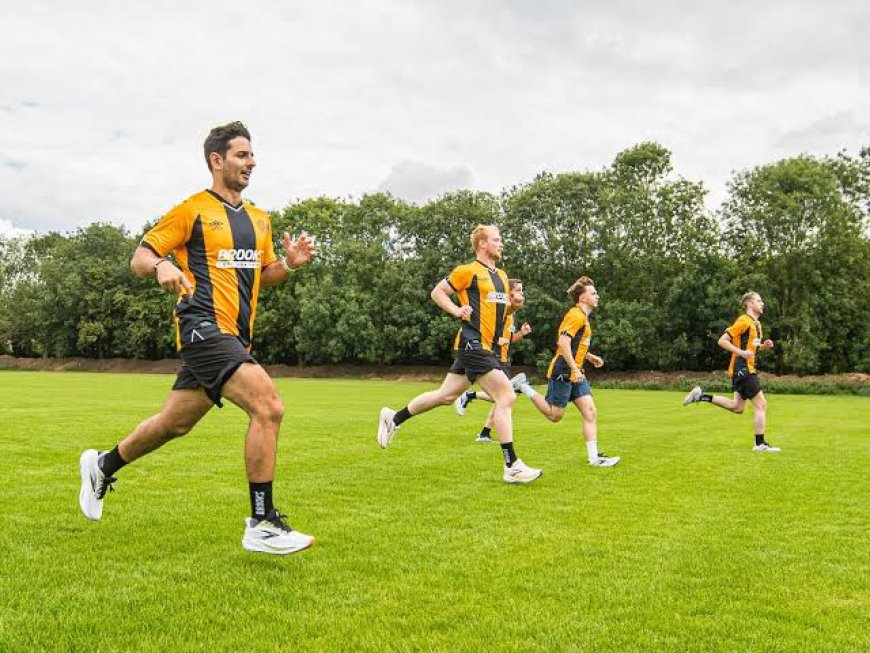
When fitness levels are high, footballers are able to express their technical and tactical skills more effectively. When they are not, performance tends to drop significantly as fatigue sets in. This makes physical preparation an essential part of modern football development rather than an optional extra.
Endurance as the Foundation of Match Consistency
A football match demands continuous movement over long periods, often with very little rest. Players are required to cover large distances through jogging, sprinting, pressing, and tracking opponents. This places heavy stress on the cardiovascular system and requires strong stamina.
Players with good endurance are better able to maintain performance levels even in the later stages of a match. They remain sharper in their passing, positioning, and decision-making when others begin to slow down. Building endurance through regular conditioning helps ensure consistency from start to finish.
Speed and Its Impact on Game Outcomes
Quick movement can change the direction of a game in seconds. Whether it is a breakaway run, a defensive recovery, or a counterattack, acceleration often decides who reaches the ball first. In competitive football, even a small difference in pace can be decisive.
Speed development involves more than just running fast. It requires strength, coordination, and proper movement mechanics. Through structured training such as sprint work and explosive drills, players can improve their acceleration and overall responsiveness on the pitch.
Strength and Physical Stability in Play
Football involves frequent physical contact, including shoulder challenges, shielding the ball, and battling for possession. Without sufficient strength, players can easily be pushed off balance or lose control under pressure.
A strong physique helps athletes maintain stability during these situations. This also leads to stronger execution of actions such as shots, aerial jumps, and defensive challenges. Strength training therefore, plays a key role in improving both physical resilience and technical execution.
Agility and Adaptability in Dynamic Situations
In football, situations change rapidly, often within seconds. Players must constantly adjust their movement based on the position of teammates, opponents, and the ball. The ability to react quickly while maintaining control is what defines agility.
Good agility allows footballers to move efficiently in tight spaces and respond to sudden changes in direction. With consistent practice, players improve coordination and balance, enabling them to handle unpredictable match situations more effectively.
Physical Condition and Technical Execution
Technical performance is closely linked to physical energy levels. When players become tired, even simple actions such as controlling or passing the ball can become less reliable. Mistakes are more likely when concentration and physical sharpness decline.
A well-developed fitness base helps maintain technical quality throughout the game. Players who are physically prepared are able to stay composed, control possession more effectively, and execute skills with greater consistency under pressure.
Recovery and Its Role in Sustained Performance
Football schedules often involve frequent training sessions and matches within short periods. Without proper recovery, fatigue can accumulate and negatively affect performance. Recovery is therefore a critical part of overall fitness.
Well-conditioned athletes typically recover faster after exertion. This allows them to train more consistently and reduce the risk of performance decline over time. Maintaining performance over time depends on good rest habits, healthy nutrition, and ongoing fitness preparation.
Reducing Injury Risk Through Fitness
Injuries can interrupt development and limit playing time, making injury prevention an important focus for any player. Poor physical preparation increases the likelihood of muscle strains and other physical issues during training or competition.
A balanced fitness programme that includes strength work, mobility training, and conditioning helps prepare the body for the demands of football. This reduces vulnerability and supports long-term participation in the sport.
Mental Sharpness and Physical Readiness
Physical fatigue not only affects the body; it also influences the mind. When players are tired, their ability to concentrate and make decisions often declines. This can lead to slower reactions and poor choices during key moments.
Better fitness supports mental stability under pressure. Players who are physically prepared tend to remain more alert and composed throughout the match, allowing them to make clearer and more effective decisions.
Confidence Built Through Physical Preparation
Confidence in football often comes from feeling prepared for the demands of the game. When players know they are fit, strong, and quick enough to compete, they are more likely to take initiative and play with assurance.
Many young athletes gain this confidence through structured environments such as indoor football Dubai, where consistent training helps develop both fitness and technical ability in a controlled setting. Over time, this combination builds greater belief in one’s own performance.
Structured Development of Physical Fitness
Fitness improvement is most effective when it follows a planned and progressive approach. Random or inconsistent training often leads to limited results, while structured programmes ensure steady development over time.
Professional training environments often integrate fitness work with skill development. Many players join a football academy Dubai to benefit from guided coaching that balances physical conditioning with technical and tactical growth. This structured approach supports overall athletic development.
Fitness as a Key Factor in Team Performance
Football is ultimately a team sport, and the physical condition of each player contributes to collective success. When a team is well-conditioned, it can maintain intensity, press effectively, and recover possession more efficiently.
Teams with strong fitness levels are also better equipped to sustain their playing style throughout a full match. This collective endurance and energy often becomes a decisive factor in competitive games.
Conclusion
How well a player performs in football is closely linked to their overall fitness, which influences nearly every aspect of play. Endurance, speed, strength, agility, recovery, and injury prevention all contribute to overall effectiveness.
While technical skills remain essential, they can only be fully expressed when supported by strong physical conditioning. Players who prioritise fitness alongside skill development are better prepared for the demands of modern football and are more likely to achieve consistent long-term success.
What's Your Reaction?
 Like
0
Like
0
 Dislike
0
Dislike
0
 Love
0
Love
0
 Funny
0
Funny
0
 Angry
0
Angry
0
 Sad
0
Sad
0
 Wow
0
Wow
0