





















The Essential Role of Excavation and Septic Planning in Successful Property Development

Whether you’re building a new home in a rural area or upgrading an existing property, the groundwork beneath your feet determines the long-term stability, safety, and functionality of everything above it. Excavation and septic system installation are often overlooked until problems arise—but by then, they can become expensive and complicated to fix.
Understanding how proper site preparation and wastewater management work together is key to avoiding delays, structural issues, and environmental concerns. This article explores why professional excavation and septic services matter, what goes into a well-executed project, and how property owners can make informed decisions from the start.
Why Excavation Is the Foundation of Every Strong Build
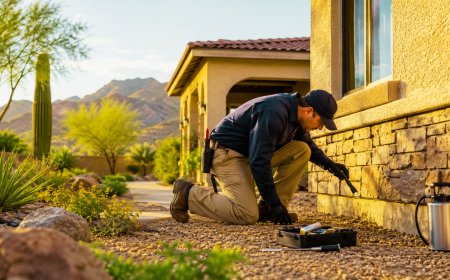
Excavation is far more than digging a hole. It’s a precise process that prepares land for construction by shaping the terrain, ensuring proper drainage, and creating a stable base for foundations, utilities, driveways, and septic systems.
When done correctly, excavation helps prevent long-term issues such as:
-
Foundation shifting or cracking due to unstable soil
-
Water pooling around structures
-
Improper grading that leads to erosion
-
Damage to underground utilities or piping
Professional excavation teams evaluate soil composition, slope, and moisture levels before beginning work. This ensures the land is not only workable but optimized for whatever structure will be built on it. In rural and semi-rural areas, where terrain can vary widely even within a single property, this step is especially critical.
A poorly prepared site may not show problems immediately—but over time, it can compromise the entire investment.
Septic Systems: A Critical Piece of Rural Infrastructure
For properties not connected to municipal sewer systems, septic installations are essential. A properly designed septic system safely processes household wastewater and returns treated effluent to the ground without harming the surrounding environment.
However, septic systems are highly sensitive to placement and installation quality. Factors such as soil absorption rate, groundwater level, and property size all influence system design. If these elements are ignored or miscalculated, homeowners may face backups, foul odors, contamination risks, or costly replacements.
A successful septic installation requires coordination between excavation professionals, soil testers, and system designers. This ensures the tank and drain field are placed in optimal conditions for long-term performance.
Routine maintenance also plays a role, but even the best-maintained system will fail prematurely if it wasn’t installed correctly in the first place.
Professional Site Work Makes the Difference
Choosing experienced professionals for excavation and septic installation can significantly reduce risks and improve efficiency. Proper equipment, technical knowledge, and field experience allow contractors to anticipate challenges before they become problems.
For example, unexpected rock formations, high water tables, or uneven bedrock can all disrupt a project. Skilled operators adjust excavation plans in real time, ensuring the site remains suitable for construction without unnecessary delays or damage.
If you’re planning a residential or commercial project and want a clearer understanding of what professional site preparation looks like, it helps to visit Weaver Excavating & Septic for context on how these services are typically handled in real-world projects. Companies like this demonstrate how excavation and septic work are integrated into a seamless process—from initial land clearing to final system installation.
Seeing how professionals coordinate these steps can help property owners better understand timelines, costs, and what to expect during development.
Common Challenges in Excavation and Septic Projects
Even well-planned projects can encounter obstacles. Being aware of these challenges ahead of time helps property owners prepare and avoid unnecessary setbacks.
Some of the most common issues include:
-
Poor soil conditions: Clay-heavy or overly sandy soils may require additional engineering.
-
Drainage problems: Improper grading can lead to water accumulation around foundations or drain fields.
-
Underground obstructions: Rocks, roots, or old structures can slow excavation work.
-
Permit and regulation delays: Local codes often require inspections and approvals before installation.
-
Weather disruptions: Heavy rain or freezing conditions can halt progress and affect soil stability.
Addressing these factors early in the planning stage can save both time and money. In many cases, a thorough site evaluation before breaking ground is the most cost-effective step in the entire project.
How Property Owners Can Prepare for a Smooth Project
While excavation and septic installation are handled by professionals, property owners still play an important role in ensuring the project runs smoothly. Preparation and communication go a long way in avoiding misunderstandings or delays.
Here are a few practical steps to take:
-
Get a site evaluation early – Understand soil conditions and layout options before finalizing plans.
-
Confirm property boundaries – Avoid disputes or accidental encroachment issues.
-
Check local regulations – Permits and inspections may be required before excavation begins.
-
Plan for access routes – Heavy equipment needs clear entry points to the site.
-
Discuss long-term usage needs – Future expansions or additional buildings may affect septic design.
By taking these steps, property owners can better align expectations with contractors and ensure the project progresses efficiently from start to finish.
Building with Confidence from the Ground Up
Excavation and septic system installation form the backbone of many residential and commercial developments, especially in areas without municipal infrastructure. When these systems are designed and installed correctly, they provide decades of reliable performance with minimal issues.
Cutting corners during the early stages of construction often leads to expensive corrections later. That’s why working with experienced professionals, investing in proper site evaluation, and understanding the process are all essential parts of responsible property development.
From grading land to installing wastewater systems, every step matters. A strong foundation—both literal and environmental—starts with informed planning and skilled execution.
What's Your Reaction?
 Like
0
Like
0
 Dislike
0
Dislike
0
 Love
0
Love
0
 Funny
0
Funny
0
 Angry
0
Angry
0
 Sad
0
Sad
0
 Wow
0
Wow
0