

















The Rise of Functional Chocolate in Modern Wellness
Explore how organic chocolate bars and functional mushroom blends are shaping modern wellness, nutrition habits, and mindful snacking choices.
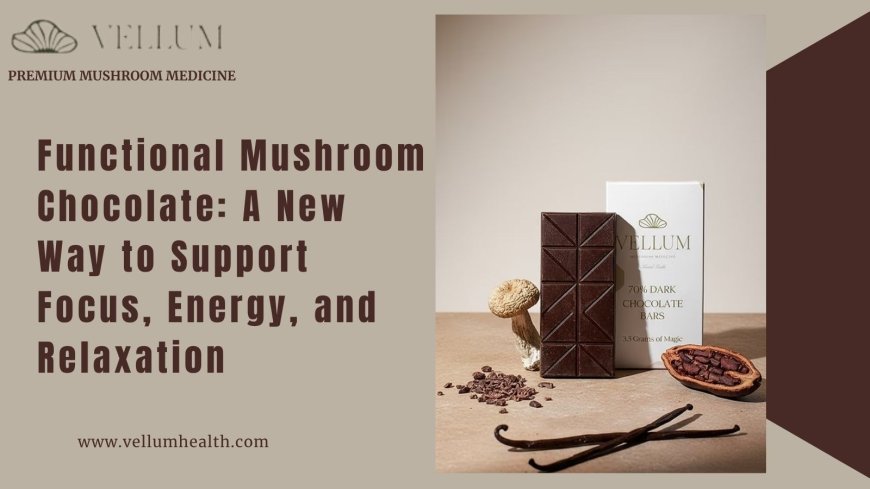
Chocolate has always held a special place in human culture, but in recent years, it has evolved beyond just a sweet treat. Today, consumers are more mindful about what they eat, leading to a growing interest in cleaner ingredients, sustainable sourcing, and functional nutrition.
This shift has given rise to products like organic chocolate bars, which combine indulgence with more transparent ingredient sourcing and better-quality cacao. Alongside this trend, innovative blends such as mushroom-infused chocolates are also gaining attention in wellness communities.
As people look for snacks that support both enjoyment and lifestyle goals, chocolate is no longer just about taste—it’s about purpose, quality, and nutritional awareness.
Table of Contents
-
The Evolution of Modern Chocolate
-
What Makes Organic Chocolate Different
-
Understanding Functional Chocolate Trends
-
Benefits of Mindful Cacao Consumption
-
Mushroom-Infused Chocolate Innovations
-
How to Choose Quality Chocolate Products
-
Common Mistakes Consumers Make
-
Expert Tips for Better Choices
-
Frequently Asked Questions
-
Microdosing Related Questions
-
Conclusion
The Evolution of Modern Chocolate
Chocolate production has changed significantly over the past decade. Traditional mass-produced chocolate often contained high levels of refined sugar, artificial flavoring, and heavily processed ingredients.
Today, consumers are more aware of ingredient sourcing and production methods. As a result, demand for cleaner, minimally processed alternatives has increased.
This shift has encouraged brands to focus on:
-
Ethical cacao sourcing
-
Reduced sugar formulations
-
Organic farming practices
-
Transparent labeling
-
Functional ingredient additions
Chocolate is now being viewed not just as a dessert but as part of a broader wellness lifestyle.
What Makes Organic Chocolate Different
An organic chocolate bar is typically made from cacao grown without synthetic pesticides or chemical fertilizers. This approach supports more sustainable farming practices and often results in a cleaner ingredient profile.
Key characteristics include:
-
Certified organic cacao beans
-
Minimal processing methods
-
Natural sweeteners or reduced sugar
-
No artificial additives
Consumers often choose organic options because they want more transparency in their food choices.
When comparing standard chocolate with organic dark chocolate bars, the difference is often found in ingredient quality, sourcing practices, and production standards rather than taste alone.
Functional Chocolate and Modern Wellness Trends
One of the most interesting developments in the food industry is the rise of functional foods—products designed to offer more than basic nutrition.
This is where functional mushroom chocolate enters the conversation.
These products combine cacao with functional mushrooms such as:
-
Lion’s Mane
-
Reishi
-
Cordyceps
-
Chaga
The goal is not to create a medical product but to offer a more nutrient-conscious food experience that aligns with wellness-oriented lifestyles.
A mushroom chocolate bar is often positioned as part of this category, blending traditional cacao benefits with additional plant-based ingredients.
Benefits of Mindful Chocolate Consumption
While chocolate is often seen as indulgent, dark cacao naturally contains compounds that are being studied for their potential wellness benefits.
These include:
1. Antioxidant Content
Dark cacao contains naturally occurring antioxidants that help support cellular health.
2. Mood-Related Compounds
Cacao contains naturally occurring compounds that may influence mood and relaxation when consumed in moderation.
3. Mindful Eating Experience
Choosing high-quality chocolate encourages slower, more intentional consumption, which can improve overall eating habits.
4. Reduced Processed Ingredients
Cleaner formulations often mean fewer artificial additives and a more natural ingredient profile.
Mushroom Chocolate and Functional Nutrition Trends
The popularity of functional mushroom chocolate reflects a broader trend toward blending nutrition with everyday foods.
Rather than taking multiple supplements separately, consumers are increasingly drawn to integrated formats like chocolate-based functional products.
A functional mushroom chocolate bar typically emphasizes:
-
Convenience
-
Taste improvement for functional ingredients
-
Simpler daily routines
-
Plant-based wellness integration
However, it is important to note that these products vary widely in formulation and quality. Ingredient transparency remains essential.
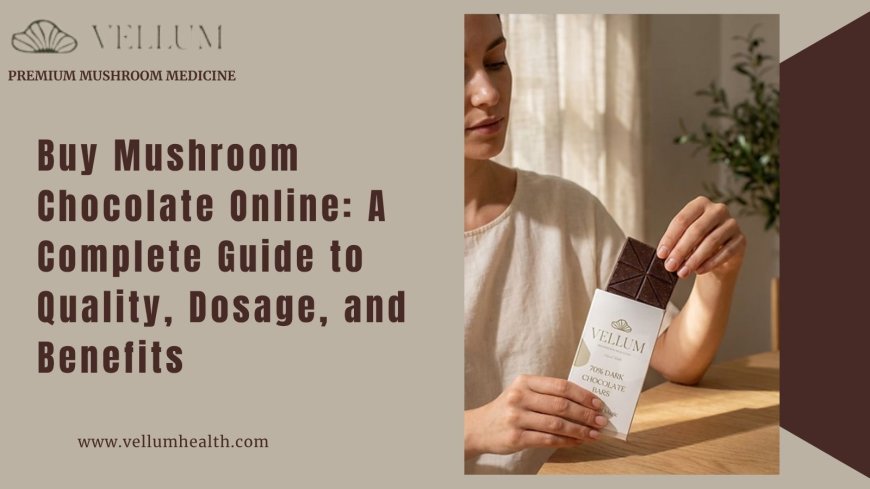
How to Choose Quality Chocolate Products
Not all chocolate products are created equal. Whether choosing a standard or functional option, quality should always be the priority.
Look for Transparent Ingredient Lists
A good product should clearly list:
-
Cacao percentage
-
Sweetener type
-
Additional functional ingredients
Check for Ethical Sourcing
Fair trade or direct trade cacao sourcing supports more sustainable farming practices.
Prioritize Organic Certification
An organic chocolate bar with certification often ensures higher production standards.
Avoid Excessive Additives
Try to limit products with:
-
Artificial flavors
-
Synthetic preservatives
-
Highly processed oils
Common Mistakes Consumers Make
Many people unknowingly make choices that reduce the quality of their chocolate experience.
Assuming All Dark Chocolate Is Healthy
Not all dark chocolate is equal. Processing methods and sugar content vary widely.
Ignoring Ingredient Labels
Simple ingredients often indicate higher-quality products.
Overconsumption
Even higher-quality chocolate should be enjoyed in moderation.
Following Trends Without Research
Functional foods are evolving quickly, so it’s important to understand what is actually included in the product.
Expert Tips for Better Chocolate Choices
Nutrition and wellness experts often recommend a balanced and mindful approach.
Choose Higher Cacao Percentages
Products with higher cacao content generally contain less added sugar.
Focus on Quality Over Quantity
A small amount of high-quality chocolate is often more satisfying than large portions of processed alternatives.
Combine With Balanced Nutrition
Chocolate should complement, not replace, a nutrient-rich diet.
Pay Attention to Sensory Experience
Slowing down and enjoying flavor can improve satisfaction and reduce overconsumption.
Frequently Asked Questions
What is an organic chocolate bar?
It is chocolate made using organically grown cacao without synthetic chemicals or artificial additives.
Is functional mushroom chocolate safe to consume?
Product safety depends on formulation, quality standards, and ingredient sourcing.
What makes organic dark chocolate bars different?
They typically contain fewer additives and are made with organically sourced cacao beans.
Are mushroom-based chocolates widely studied?
Research on functional mushrooms is ongoing, particularly in nutrition and wellness contexts.
Can chocolate be part of a healthy diet?
Yes, when consumed in moderation and as part of a balanced diet.
Conclusion
The growing popularity of organic chocolate bars reflects a broader shift toward mindful eating and ingredient transparency. Consumers are increasingly looking for products that balance enjoyment with quality, sustainability, and better nutritional awareness.
At the same time, innovations like functional mushroom chocolate and the mushroom chocolate bar category highlight how food is evolving into a more integrated wellness experience. Whether choosing an organic chocolate bar or exploring new functional blends, the key lies in understanding ingredients, sourcing, and personal balance.
Ultimately, chocolate can still be both enjoyable and thoughtful when chosen with care and consumed mindfully.
What's Your Reaction?
 Like
0
Like
0
 Dislike
0
Dislike
0
 Love
0
Love
0
 Funny
0
Funny
0
 Angry
0
Angry
0
 Sad
0
Sad
0
 Wow
0
Wow
0