












Understanding Scar Revision: Restoring Your Skin’s Natural Texture

Understanding Scar Revision: Restoring Your Skin’s Natural Texture
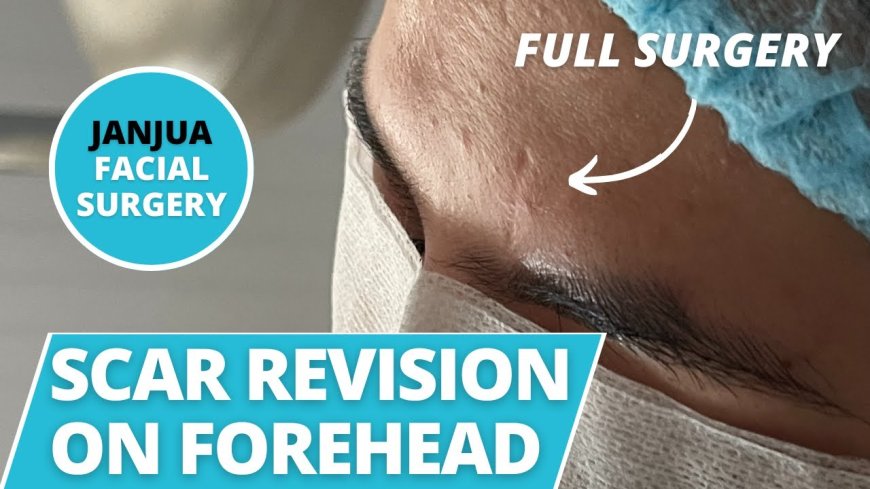
When exploring options to enhance skin appearance following trauma or previous procedures, Surgical Scar Revision in Riyadh provides a comprehensive approach to refining skin texture and minimizing the visibility of unwanted marks. Scars are the inevitable result of the body’s complex healing response; however, when the process does not proceed optimally, the resulting tissue can become raised, depressed, or discolored. Achieving a smoother, more uniform skin surface requires an understanding of how scars form, the surgical techniques used to modify them, and the dedicated post-operative care necessary to ensure long-term success. By shifting the focus from simply accepting a scar to actively managing its appearance, patients can regain confidence and achieve a more natural aesthetic.
The Science of Scar Formation and Revision
To understand how to treat a scar, one must first understand why it forms. When the dermis, the thick layer of skin, is damaged, the body initiates a healing cascade involving the deposition of collagen. In an ideal scenario, this collagen is organized in a uniform, basket-weave pattern that matches the surrounding tissue. However, if the body produces too much collagen—or if the healing environment is disrupted—the resulting tissue becomes chaotic. This leads to hypertrophic or keloid scars, which are raised and dense. Conversely, if there is a loss of underlying tissue or a failure to produce enough collagen, the scar may appear atrophic, creating a sunken or pitted appearance.
Scar revision is the practice of surgically altering these areas to move the tissue closer to a more natural, subtle state. It is important to emphasize that no surgery can remove a scar entirely; the goal is always "revision"—to make the scar thinner, less noticeable, and more aesthetically pleasing. The success of these procedures relies on the surgeon’s ability to manipulate the skin in a way that respects the natural tension lines of the face and body, known as Langer’s lines.
Strategic Surgical Techniques for Revision
The methodology chosen for revision depends entirely on the characteristics of the scar. A surgeon must evaluate whether the scar is functional (restricting movement) or purely cosmetic.
Simple Excision
For small, narrow, or linear scars, simple excision is often the most direct solution. The area is numbed, the old scar tissue is removed entirely, and the skin is meticulously sutured back together using advanced, tension-free closure techniques. The result is a much finer, cleaner line that is easier to conceal and less likely to become hypertrophic during the secondary healing process.
Complex Geometric Modifications
Some scars are simply too prominent because they run counter to the grain of the surrounding skin. In these cases, simple excision is insufficient. Surgeons utilize geometric techniques like Z-plasty, W-plasty, or geometric broken-line closures. These techniques break up a long, straight scar into smaller, multi-directional segments. By doing so, the eye is less likely to trace a single continuous line, and the scar can be effectively camouflaged within the natural shadows and folds of the skin.
Subcision and Release
For tethered or depressed scars, the issue is often that the skin is being pulled downward by fibrous bands connected to deeper tissue. Subcision involves passing a fine needle or specialized instrument beneath the surface of the scar to release these bands. Once the tethering is broken, the skin can lift to a level closer to the surrounding surface. This is frequently combined with fillers or fat grafting to add volume beneath the skin, preventing the scar from "re-tethering" as it heals.
Integrating Advanced Modalities
Surgical revision often works best as part of a multi-modal treatment plan. By combining surgery with secondary, non-invasive therapies, the quality of the final result is significantly enhanced.
-
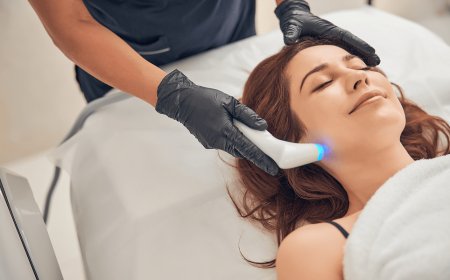
Fractional Laser Resurfacing: Once a surgical incision has matured, laser treatments can be used to further refine the texture. Lasers work by creating microscopic zones of heat, stimulating a new wave of organized collagen production that blends the scar seamlessly into the adjacent skin.
-
Chemical Peels and Dermabrasion: These methods are effective for superficial irregularities. They remove the top layer of skin cells, allowing for a more even texture across the treatment site.
-
Platelet-Rich Plasma (PRP): Emerging protocols involve the use of the patient’s own growth factors to accelerate the healing of the surgical site. This can lead to faster recovery times and potentially more resilient skin after the revision.
Navigating the Recovery Process
The recovery phase is where the patient plays the most significant role. While the surgical technique sets the stage, the healing environment determines the final outcome. Immediately after the procedure, the area will likely be red and swollen. Adherence to a strict, surgeon-prescribed care regimen—which often includes the use of medical-grade silicone sheets or gels—is crucial. Silicone is clinically proven to help maintain hydration in the scar tissue and provide the light pressure necessary to prevent excessive collagen buildup.
Equally important is the management of sun exposure. The new, maturing tissue is highly sensitive to ultraviolet radiation, which can permanently darken the scar through hyperpigmentation. Using high-protection, broad-spectrum sunscreen and physical barriers is not just recommended; it is a necessity for at least six to twelve months post-procedure.
Managing Expectations for Long-Term Outcomes
A successful revision is a marathon, not a sprint. Because skin remodeling is a slow biological process, the final appearance of the treated area may not be evident for a full year. Patients should remain consistent with their follow-up appointments, allowing the specialist to monitor the maturation of the scar and recommend secondary treatments if necessary, such as steroid injections to flatten any areas of overactive healing.
Ultimately, by choosing a professional path to manage skin concerns, individuals can transform the way they feel about their appearance. Whether dealing with the aftermath of an injury or a previous surgical intervention, the advancements in modern techniques offer a reliable way to restore the skin’s natural texture. Through a combination of surgical precision, thoughtful planning, and diligent post-operative care, one can achieve a result that is both subtle and aesthetically harmonious.
Please provide the next title whenever you are ready.
What's Your Reaction?
 Like
0
Like
0
 Dislike
0
Dislike
0
 Love
0
Love
0
 Funny
0
Funny
0
 Angry
0
Angry
0
 Sad
0
Sad
0
 Wow
0
Wow
0