
















What Happens After USCIS Approves Your Family Immigration Petition? Understanding the Next Steps Toward a Green Card
Learn the next steps after USCIS approves your family immigration petition, including visa availability, adjustment of status, consular processing, and Green Card requirements.
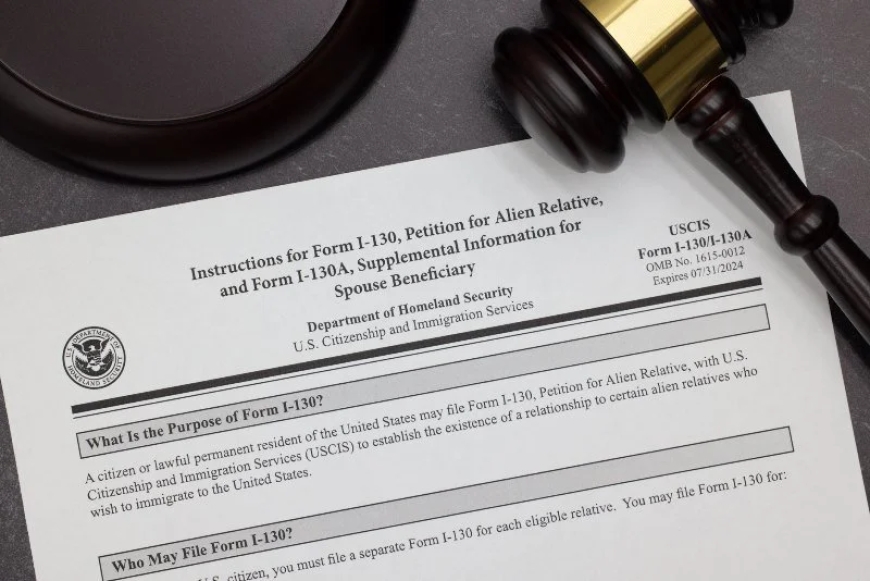
Receiving approval of a family immigration petition from U.S. Citizenship and Immigration Services (USCIS) is an important milestone, but it is not the final step toward becoming a lawful permanent resident. Many applicants mistakenly believe that petition approval automatically results in a Green Card. In reality, the immigration process continues through several additional stages that depend on the applicant's immigration category, current location, visa availability, and individual circumstances.
Understanding what happens after USCIS approves a family petition can help applicants prepare the necessary documents, respond to government requests on time, and avoid unnecessary delays. Whether the petition was filed by a U.S. citizen or a lawful permanent resident, knowing the next steps allows families to move through the immigration process with greater confidence.
Understanding What USCIS Petition Approval Means
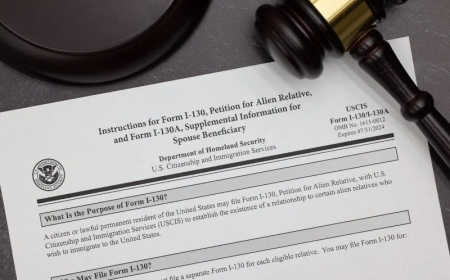
Approval of Form I-130, Petition for Alien Relative, confirms that USCIS recognizes the qualifying family relationship between the petitioner and the beneficiary. However, petition approval does not grant lawful permanent residence or authorize employment or international travel by itself.
Instead, the approved petition establishes eligibility to continue through the immigrant visa process or adjustment of status process, depending on where the beneficiary currently resides and whether an immigrant visa is immediately available.
The next stage varies based on several factors, including:
- Whether the beneficiary is inside or outside the United States.
- The family preference category.
- The beneficiary's priority date.
- Visa availability under the U.S. Department of State Visa Bulletin.
- Whether additional waivers or supporting evidence are required.
Step 1: Determine Whether a Visa Is Immediately Available
Not every approved petition moves directly to Green Card processing. Immediate relatives of U.S. citizens—including spouses, unmarried children under 21, and parents of adult U.S. citizens—generally have immigrant visas immediately available because they are not subject to annual numerical limits.
Other family-based categories are subject to annual visa quotas. Applicants in these categories must wait until their priority date becomes current according to the monthly Visa Bulletin published by the U.S. Department of State.
Monitoring visa availability is an essential part of the process because the next immigration step cannot begin until a visa number is available.
Step 2: Follow the Correct Immigration Path
After petition approval, applicants generally continue through one of two different processes.
Adjustment of Status
If the beneficiary is already lawfully present in the United States and qualifies under immigration law, they may complete the adjustment of status process without leaving the country. This involves filing Form I-485 along with supporting documentation, medical examinations, background checks, and other required forms.
Applicants may also qualify to apply for employment authorization and advance parole while their adjustment application remains pending, depending on eligibility.
Consular Processing
If the beneficiary lives outside the United States, or adjustment of status is unavailable, the approved petition is typically transferred to the National Visa Center (NVC). The NVC coordinates document collection, fee payments, and schedules an immigrant visa interview at the appropriate U.S. embassy or consulate through the consular processing procedure.
Applicants must complete every requested document accurately before an interview can be scheduled.
Step 3: Complete National Visa Center Requirements
For applicants completing consular processing, the National Visa Center plays an important administrative role before the case reaches a U.S. consulate.
The NVC typically requires applicants to:
- Pay government processing fees.
- Submit Form DS-260.
- Upload civil documents.
- Provide financial sponsorship documents.
- Submit supporting evidence requested by the government.
Incomplete documentation can delay interview scheduling, making careful preparation essential.
Step 4: Submit the Affidavit of Support
Most family-based immigrants must demonstrate that they are unlikely to become a public charge. The sponsoring family member usually submits Form I-864, Affidavit of Support, showing sufficient household income or qualifying financial assets.
If the petitioner's income does not meet federal requirements, a joint sponsor may sometimes help satisfy the financial obligation.
Step 5: Attend the Required Medical Examination
Before receiving permanent resident status, applicants must complete a medical examination performed by an authorized physician.
The examination generally includes:
- Required vaccinations.
- Review of medical history.
- Physical examination.
- Tuberculosis screening.
- Other testing required under federal immigration regulations.
The medical results are submitted according to USCIS or U.S. consulate instructions.
Step 6: Prepare for the USCIS or Consular Interview
Many applicants are required to attend an immigration interview before a final decision is made on their Green Card application. During the interview, an immigration officer or consular officer reviews the submitted documentation, confirms the applicant's eligibility, and verifies the information provided throughout the application process.
Applicants should bring original civil documents, valid identification, passport photographs if required, updated financial documents, and any additional evidence requested in the interview notice. Family-based applicants may also be asked questions about their relationship to confirm that it meets the legal requirements for the immigration benefit being sought.
Providing clear, consistent, and truthful information is essential. If additional documentation is needed, the officer may issue a Request for Evidence (RFE) or place the case into administrative processing until the requested information is received.
Step 7: Respond Promptly to Any Requests for Additional Evidence
Not every immigration application is approved immediately after submission or interview. USCIS or the U.S. Department of State may request additional documents if certain information is incomplete or requires clarification.
Common requests may involve:
- Updated financial sponsorship documents.
- Additional proof of the qualifying family relationship.
- Corrected civil records.
- Medical examination updates.
- Identity verification documents.
Applicants should carefully review every government notice and submit the requested information before the stated deadline. Delayed responses can significantly extend processing times or result in case denial.
Step 8: Receive a Decision on the Green Card Application
After all required reviews have been completed, the government issues a final decision. If the application is approved through adjustment of status, USCIS mails the Permanent Resident Card to the applicant's U.S. address. Applicants completing consular processing typically receive an immigrant visa that allows them to travel to the United States, where lawful permanent resident status becomes effective after admission by U.S. Customs and Border Protection.
New permanent residents should carefully review their Green Card for accuracy after receiving it. Any errors involving names, dates of birth, or other identifying information should be reported promptly to avoid future complications.
Potential Reasons for Delays After Petition Approval
Although petition approval represents meaningful progress, several factors may affect overall processing time before permanent residence is granted.
- Visa backlogs for preference categories.
- Missing or incomplete documentation.
- Security or background checks.
- Requests for additional evidence.
- Medical examination issues.
- Administrative processing at a U.S. consulate.
- Changes in immigration policies or government processing workloads.
Applicants should regularly monitor their case status and promptly respond to all government correspondence to minimize avoidable delays.
Keeping Immigration Records Organized
Throughout the immigration process, applicants benefit from maintaining complete records of every filing, receipt notice, approval notice, correspondence, and supporting document. Organized records make it easier to respond to government requests, prepare for interviews, and document compliance with immigration requirements.
Applicants should also notify USCIS of any address changes as required by law to ensure important notices are delivered correctly.
When Additional Immigration Issues May Arise
Some applicants encounter circumstances that require additional legal analysis before permanent residence can be granted. Prior immigration violations, unlawful presence, criminal history, prior removal proceedings, or certain inadmissibility issues may require further review or eligibility for immigration relief.
Individuals facing these situations may need to pursue an immigration waiver or satisfy additional legal requirements before their Green Card application can proceed.
Conclusion
Approval of a family immigration petition marks an important milestone, but it represents only one stage in the overall Green Card process. Applicants must continue by determining visa availability, completing either adjustment of status or consular processing, submitting required financial and civil documentation, attending interviews when necessary, and responding promptly to any government requests. Understanding each step helps families prepare for the process ahead while reducing the risk of avoidable delays. Careful preparation, accurate documentation, and awareness of procedural requirements contribute to a smoother path toward lawful permanent residence.
Frequently Asked Questions
Does USCIS approval mean I automatically receive a Green Card?
No. Approval of the family petition only establishes the qualifying relationship. Applicants must still complete additional immigration procedures before permanent residence is granted.
How long does it take after an I-130 is approved?
Processing times vary depending on visa availability, family preference category, country of chargeability, adjustment of status eligibility, and government processing workloads.
Can I stay in the United States after my petition is approved?
Petition approval alone does not provide lawful immigration status. Eligibility to remain in the United States depends on the applicant's current immigration status and applicable immigration laws.
What happens if USCIS requests more documents?
Applicants should carefully review the request, gather the required documentation, and submit it before the deadline listed in the notice to avoid unnecessary delays or possible denial.
Can family members apply together for permanent residence?
Eligibility depends on the immigration category, the relationship to the petitioner, visa availability, and individual immigration circumstances. Some beneficiaries may qualify as derivative applicants, while others require separate petitions.
What's Your Reaction?
 Like
0
Like
0
 Dislike
0
Dislike
0
 Love
0
Love
0
 Funny
0
Funny
0
 Angry
0
Angry
0
 Sad
0
Sad
0
 Wow
0
Wow
0