














What Professional AC Installers Check Before Installation

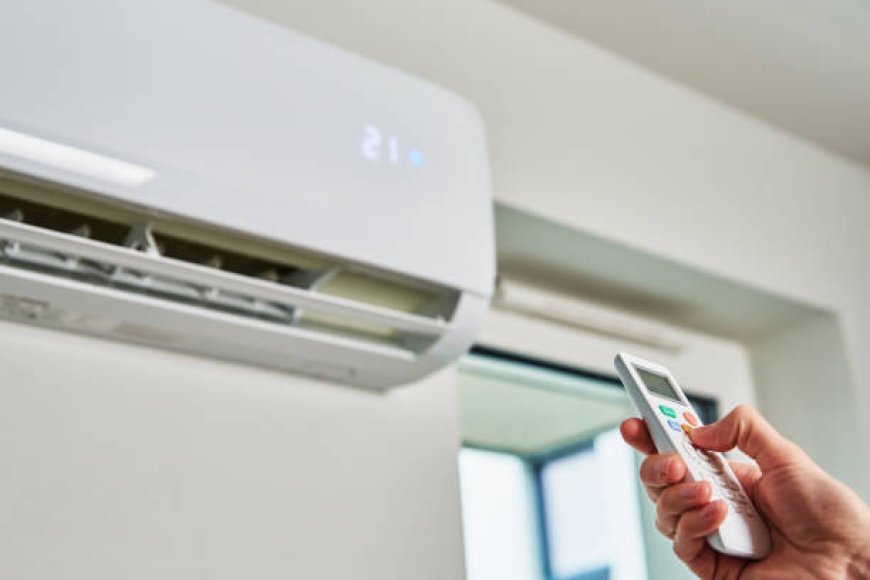
Getting a new AC system isn’t just about picking a unit and calling it a day. There’s a bit more going on behind the scenes than most people think. Good ac installers in Bilambil Heights don’t just show up, drill a few holes, and switch things on. They look around. They measure stuff. They ask questions that might feel unnecessary at the time, but they’re not. Truth is, a proper installation starts way before the actual install day. Skip these checks, and you end up with poor airflow, higher bills, or a system that just never feels right. And yeah, that happens more often than it should.
They Look at the Size of the Space First
First thing most pros do? They size up your space. Not just a quick glance either. They’re thinking about square footage, ceiling height, how many rooms connect, where the sun hits during the day. Bigger isn’t always better with AC units, and smaller definitely won’t cut it. Oversized systems cycle on and off too fast. Undersized ones just run nonstop and struggle. Neither is great. A decent installer will take a few minutes here, maybe longer, and actually do the math. It’s not guesswork, even if it looks like it.
They Check Insulation and Sealing
Here’s something people overlook a lot. Insulation. If your home leaks air like a sieve, your brand-new AC won’t stand a chance. Installers usually check roof insulation, wall gaps, even windows and doors. Not in a super invasive way, but enough to spot problems. Because what’s the point of cooling a space if that cool air just slips out? Some guys will even point out fixes before installing anything. It can feel like upselling, but honestly, sometimes it’s just common sense.
Electrical Setup Gets a Close Look
You can’t just plug a new AC into whatever wiring is already there and hope for the best. Professionals will check your electrical panel, circuit capacity, and connections. If the system draws more power than your setup can handle, that’s a problem. A real one. You might not see it immediately, but over time it can cause tripping, overheating, or worse. Good installers don’t skip this step. They slow down here, double-check things, maybe call out an electrician if needed. It’s not exciting work, but it matters.
They Think About Placement More Than You’d Expect
Where the unit goes isn’t random. Indoor unit placement affects airflow, noise, and overall comfort. Outdoor placement matters too, especially for ventilation and longevity. Installers usually look for spots with good airflow, away from direct heat when possible, and somewhere that won’t blast cold air straight onto you all day. Sounds obvious, but you’d be surprised how often it’s done wrong. Sometimes the “easy” spot isn’t the best one. And yeah, a good installer will push back if needed.
Ductwork or Airflow Paths Get Reviewed
If your system uses ducts, they’re going to check those. Old ductwork can be full of leaks, dust buildup, or poor design. Even small issues can mess with airflow. And if it’s a ductless system, they still think about how air will move through the space. Air doesn’t magically distribute itself evenly. Installers look at entry points, obstructions, even furniture placement sometimes. It’s not overthinking—it’s just making sure the system actually works like it should once it’s on.
They Ask About Your Usage Habits (Yeah, That Matters)
This part surprises people. Installers often ask how you actually use your space. Are you home all day? Just evenings? Do you like it freezing cold or just comfortable? It changes things. A system that works great for one household might feel completely off for another. During air conditioning installation in Cobaki Lakes, this kind of conversation usually shapes the final setup more than people expect. It’s not just technical—it’s personal. And skipping this step? That’s how you end up constantly adjusting your thermostat and never quite getting it right.
They Check Drainage and Moisture Control
AC units don’t just cool air—they pull out moisture too. That water has to go somewhere. Installers check drainage points, slope of pipes, and where condensation will end up. If this part’s rushed, you get leaks. Or worse, mold over time. Not something you want to deal with later. It’s one of those quiet checks that doesn’t get talked about much, but it’s critical. You don’t notice it when it’s done right. You definitely notice when it’s not.
Conclusion
So yeah, there’s more to AC installation than most people think. It’s not just tools and units—it’s decisions, checks, small adjustments that add up. The good installers take their time with this stuff. They look at your home like a system, not just a job. And honestly, that’s the difference between an AC that “works” and one that actually feels right every day. If your installer skips all these steps or rushes through them, that’s a red flag. A quiet one, maybe, but still a red flag.
What's Your Reaction?
 Like
0
Like
0
 Dislike
0
Dislike
0
 Love
0
Love
0
 Funny
0
Funny
0
 Angry
0
Angry
0
 Sad
0
Sad
0
 Wow
0
Wow
0