


















Why Growing Businesses Need Experienced SOC 1 and SOC 2 Compliance Providers to Build Customer Trust?

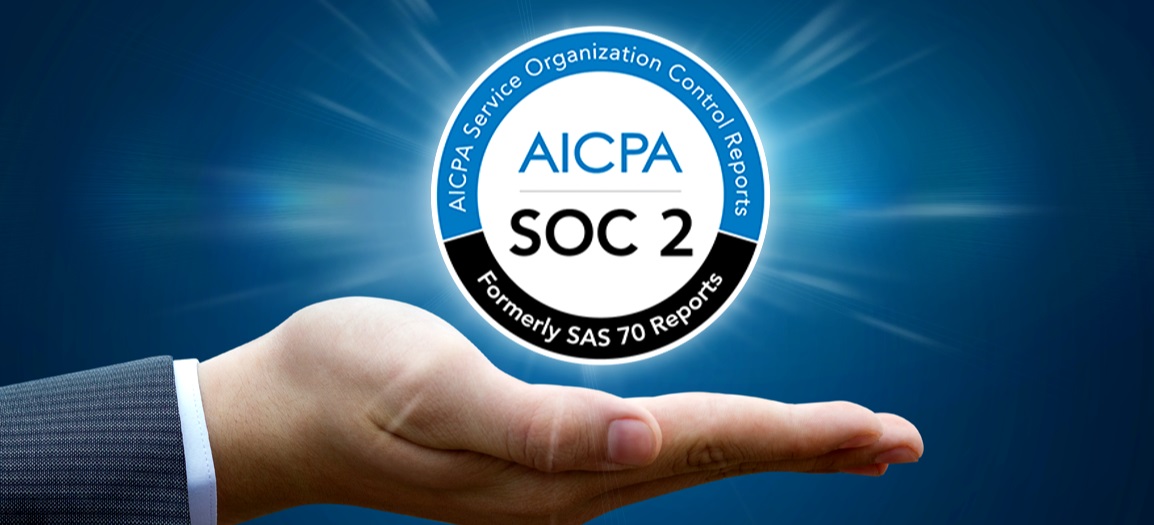
As businesses grow and expand their services to digital platforms, customers also want assurance that their financial information is protected by strong internal controls and security practices.
One of the most effective ways to demonstrate operational integrity and data security is by achieving SOC compliance. Working with experienced SOC 1 and SOC 2 compliance providers helps organizations especially cloud services, SaaS platforms, financial technology, payroll processing, IT services, and other outsourced business solutions, navigate the complex compliance process, strengthen internal controls, and build lasting customer trust.
Understanding SOC 1 and SOC 2 Compliance
SOC (System and Organization Controls) reports evaluate how organizations manage risks related to financial reporting, security, availability, confidentiality, processing integrity, and privacy.
SOC 1 focuses on internal controls relevant to financial reporting. It is commonly required for service organizations that handle financial transactions or processes on behalf of their clients, such as payroll providers, accounting firms, and financial service companies.
SOC 2 evaluates an organization's controls related to the Trust Services Criteria, including security, availability, processing integrity, confidentiality, and privacy. It is particularly valuable for technology companies, cloud service providers, managed service providers, and SaaS businesses.
Experienced SOC 1 and SOC 2 compliance providers help organizations determine which report best aligns with their business model and customer expectations.
Simplifying a Complex Compliance Process
Preparing for a SOC audit involves much more than completing documentation. Organizations must assess existing controls, identify gaps, implement improvements, establish monitoring procedures, and prepare evidence for independent auditors. Experienced SOC compliance providers guide businesses through every stage of the process. Their expertise reduces confusion, minimizes delays, and helps organizations avoid common compliance mistakes that could extend audit timelines or increase costs.
Strengthening Internal Controls
One of the primary objectives of SOC compliance is establishing effective internal controls. SOC 1 and SOC 2Compliance providers evaluate existing business processes and recommend improvements that enhance operational consistency and reduce organizational risks. These controls may include:
· Access management
· Data protection policies
· Change management procedures
· Incident response planning
· Risk assessments
· Vendor management
· Backup and disaster recovery processes
· Employee security awareness training
· Building Customer Confidence
Today's customers are increasingly concerned about how organizations manage sensitive information. Businesses that cannot demonstrate strong security controls may struggle to win new contracts or retain existing clients. SOC reports provide independent verification that an organization follows recognized control frameworks and security practices. Working with experienced compliance providers ensures these controls are properly designed, implemented, and documented before the audit begins. This independent assurance strengthens customer confidence and gives prospective clients greater peace of mind when selecting a service provider.
Accelerating Sales and Business Growth
Many enterprise customers require SOC reports during vendor evaluations and procurement processes. Without SOC compliance, growing businesses may be excluded from valuable contract opportunities. Experienced SOC 1 and SOC 2 compliance providers help organizations become audit-ready faster, allowing them to respond confidently to customer security questionnaires and compliance requests. Having a SOC report readily available can shorten sales cycles, reduce customer concerns, and increase the likelihood of closing larger business deals.
Reducing Operational and Security Risks
Cybersecurity threats continue to evolve, making proactive risk management essential for organizations of every size. SOC compliance providers help businesses identify vulnerabilities before they become serious security incidents. Through comprehensive risk assessments and control evaluations, organizations can improve their ability to prevent unauthorized access, protect confidential information, and respond effectively to security events. Reducing operational risks also minimizes potential financial losses, regulatory issues, and reputational damage.
Improving Operational Efficiency
SOC compliance encourages organizations to standardize processes, document responsibilities, and establish consistent operational procedures. SOC 1 and SOC 2 compliance providers assist businesses in developing policies and workflows that improve efficiency while reducing unnecessary duplication and manual errors. Clear documentation also makes employee onboarding easier and supports better communication across departments.
Supporting Long-Term Compliance
SOC compliance is not a one-time achievement. Organizations must continuously monitor controls, review risks, maintain documentation, and prepare for future audits.
Experienced compliance providers offer ongoing support through periodic assessments, internal reviews, policy updates, and readiness evaluations. Their continued guidance helps businesses maintain compliance while adapting to changing technologies, customer requirements, and industry best practices.
Conclusion
For growing businesses, customer trust is one of the most valuable assets. Partnering with experienced SOC 1 and SOC 2 compliance providers helps organizations establish strong internal controls, improve cybersecurity, streamline compliance efforts, and successfully prepare for independent audits. Beyond meeting customer requirements, SOC compliance enhances operational efficiency, reduces business risks, and strengthens long-term competitiveness.
What's Your Reaction?
 Like
0
Like
0
 Dislike
0
Dislike
0
 Love
0
Love
0
 Funny
0
Funny
0
 Angry
0
Angry
0
 Sad
0
Sad
0
 Wow
0
Wow
0