


















How Algeria’s Automotive and Infrastructure Development Is Shaping Tire Demand
Explore how infrastructure projects, vehicle ownership, and commercial transport are influencing tire demand across Algeria's automotive sector.

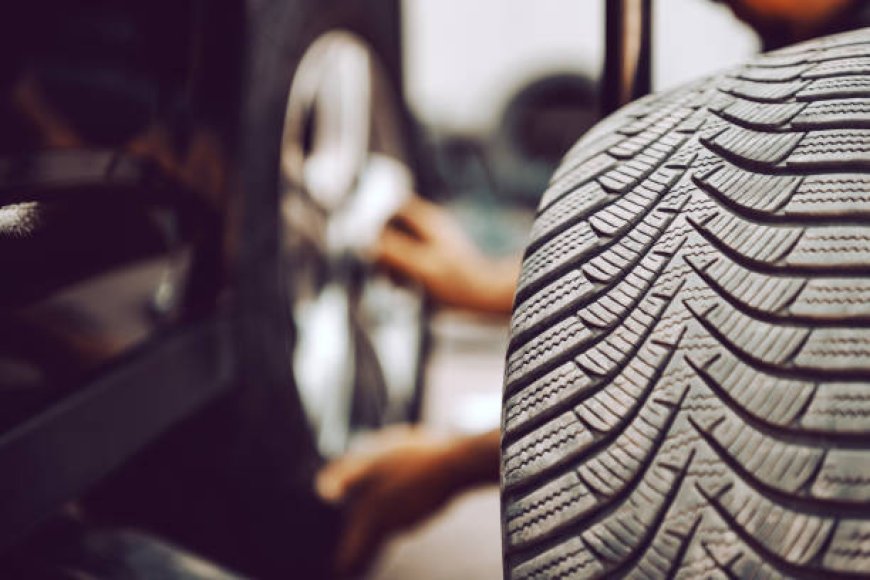
Algeria’s automotive landscape is evolving alongside investments in transportation infrastructure, industrial development, and economic diversification. As vehicle ownership gradually increases and construction activities expand across the country, the need for reliable tires continues to grow across passenger, commercial, and off-the-road vehicle segments. Rather than being influenced by a single factor, tire demand in Algeria reflects broader changes in mobility, logistics, and infrastructure development.
According to MarkNtel Advisors, Algeria continues to witness increasing demand for tires due to expanding vehicle fleets, infrastructure projects, and supportive policies encouraging automotive manufacturing. The report also highlights the growing importance of replacement tires and the gradual expansion of local production capabilities. More details are available in the Algeria Tire Analysis.
One of the key reasons behind this demand is the country's continued investment in roads, housing developments, industrial facilities, and public infrastructure. These projects require large fleets of trucks, buses, construction machinery, and earthmoving equipment, all of which depend on durable tires capable of operating in demanding environments. The World Bank has also emphasized the importance of transport infrastructure in supporting economic development and regional connectivity across North Africa.
Growing Vehicle Ownership Supports Replacement Tire Demand
Passenger vehicles remain an important contributor to tire demand in Algeria. As more households purchase personal vehicles, regular tire replacement becomes a necessary part of vehicle ownership. Tires naturally wear over time because of road conditions, climate, driving habits, and mileage.
Replacement tires typically generate consistent demand because every vehicle requires multiple tire changes throughout its operational life. Regular inspections, proper inflation, and timely replacement help improve braking performance, fuel efficiency, and overall road safety. The U.S. National Highway Traffic Safety Administration (NHTSA) explains that maintaining correct tire pressure and tread depth significantly reduces safety risks.
Infrastructure Projects Increase Commercial Tire Usage
Commercial transportation plays a significant role in Algeria's economy. Trucks transport construction materials, industrial equipment, consumer goods, and agricultural products across long distances, creating continuous demand for heavy-duty tires.
As infrastructure projects expand, construction vehicles such as loaders, graders, excavators, and dump trucks operate under challenging conditions that accelerate tire wear. This creates steady demand for specialised off-the-road (OTR) tires designed for mining, construction, and industrial operations.
MarkNtel Advisors notes that increasing government focus on infrastructure development has become one of the major factors supporting tire demand across commercial and OTR vehicle categories. Learn more in the Algeria Tire Analysis.
Radial Tires Continue to Gain Preference
Modern vehicle owners increasingly prefer radial tires because they offer improved driving comfort, lower rolling resistance, enhanced road grip, and longer operational life compared with traditional bias tires.
These advantages are particularly valuable for passenger cars and light commercial vehicles operating on highways and urban roads. Improved fuel efficiency also makes radial tires attractive as fuel costs remain an important consideration for fleet operators and individual drivers alike.
The continued shift toward radial tire adoption reflects changing consumer awareness regarding vehicle performance, maintenance costs, and driving safety.
Digital Sales Channels Are Changing Tire Purchasing Habits
Online retail has gradually become an additional purchasing option for tire buyers in Algeria. Consumers increasingly compare tire brands, sizes, specifications, and prices through digital platforms before making purchasing decisions.
Digital platforms also provide greater product visibility, wider brand availability, promotional offers, and convenient home delivery in some locations. Although traditional dealers continue to dominate tire sales, online channels are becoming an important complement to conventional distribution networks.
The acceleration of digital commerce following the COVID-19 pandemic has further familiarised consumers with purchasing automotive products online, including replacement tires.
Government Policies Encourage Local Manufacturing
Algeria has shown increasing interest in strengthening domestic manufacturing capabilities across multiple industries, including automotive components. Policies aimed at encouraging foreign investment and industrial development have the potential to improve local tire production over time.
Expanding local manufacturing can help strengthen supply chains, reduce dependence on imports, create employment opportunities, and improve product availability within the country. While imported tires continue to play a major role, greater domestic production could provide additional resilience for the automotive sector.
Industrial diversification remains one of Algeria's broader economic objectives, with manufacturing expected to contribute to long-term economic stability.
Tire Maintenance Is Becoming More Important
Vehicle owners are becoming increasingly aware that proper tire maintenance directly affects vehicle performance, operating costs, and road safety. Regular alignment, balancing, inflation checks, and tread inspections help extend tire lifespan while improving fuel efficiency.
Fleet operators are also adopting preventive maintenance programmes to reduce downtime and improve operational efficiency. For commercial vehicles, minimising tire failures can significantly reduce transportation delays and maintenance expenses.
Organisations such as the National Highway Traffic Safety Administration (NHTSA) continue to recommend routine tire inspections as an essential component of vehicle safety.
Looking Ahead
Algeria's automotive sector continues to evolve as infrastructure expansion, increasing vehicle ownership, commercial transportation, and industrial development reshape demand for tires. Passenger vehicles, heavy commercial fleets, and construction equipment each contribute to a diverse and steadily developing tire landscape.
At the same time, growing consumer awareness, wider adoption of radial tires, expanding online sales channels, and supportive manufacturing policies are influencing how tires are produced, distributed, and purchased across the country. As highlighted by MarkNtel Advisors, these structural developments continue to shape Algeria's tire sector while supporting long-term improvements in mobility and transportation efficiency. Read the full report here.
What's Your Reaction?
 Like
0
Like
0
 Dislike
0
Dislike
0
 Love
0
Love
0
 Funny
0
Funny
0
 Angry
0
Angry
0
 Sad
0
Sad
0
 Wow
0
Wow
0