

















What HR Teams Measure When Corporate Wellness Moves Beyond Participation Rates
Learn what HR teams measure beyond participation rates, from employee outcomes and access to workplace culture, retention, and program quality.

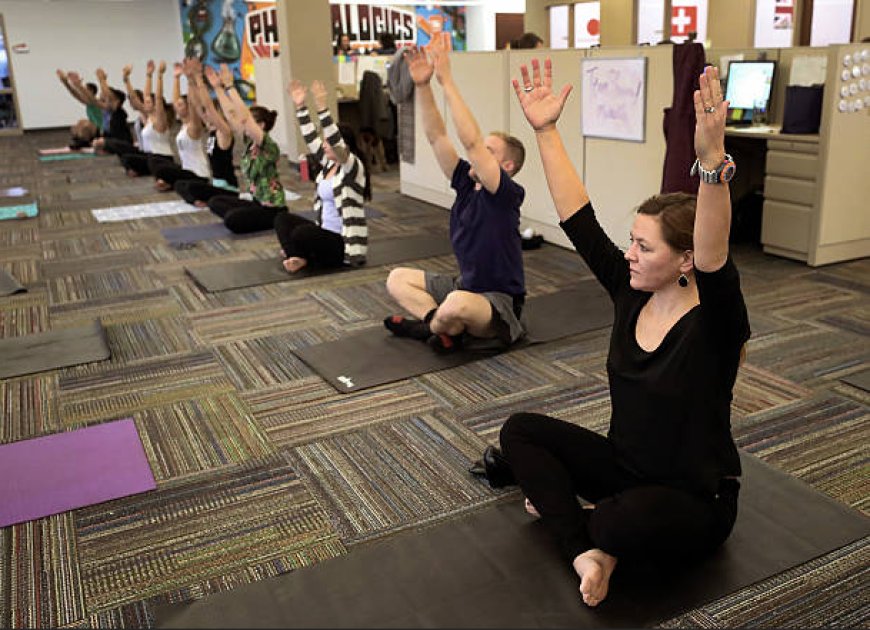
Strong participation numbers can make a wellness program appear successful, but they rarely show whether employees are actually benefiting. As corporate wellness becomes a more strategic priority, HR teams are looking beyond sign-ups and attendance to understand real impact. The focus is shifting toward meaningful indicators such as employee well-being, engagement, productivity, retention, and workplace culture.
This deeper approach helps organizations see whether their initiatives are creating lasting value or simply generating short-term interest. Measuring the right outcomes enables HR leaders to build wellness programs that more effectively support employees and contribute to stronger business performance.
Key Takeaways
· Participation alone does not prove program success.
· Employee well-being should be measured over time.
· Access, trust, and psychological safety shape utilization.
· Manager behavior directly affects wellness outcomes.
· Equity and service quality reveal hidden gaps.
· Program value includes impact, not only financial return.
What HR Teams Measure Beyond Corporate Wellness Participation Rates
· Changes in Employee Well-Being
HR teams first assess whether employees report improvements in their physical, emotional, and social well-being. In a strong corporate wellness strategy, these changes matter more than simple registration or attendance numbers.
Useful measures include:
· Perceived stress
· Emotional exhaustion
· Ability to recover after demanding work
· Sense of connection
· Confidence in available support
· Satisfaction with work-life boundaries
· Overall job well-being
These measures are often collected through anonymous surveys at regular intervals. Comparing results over time gives HR a clearer picture than attendance figures alone.
Burnout should also be measured alongside workload, staffing, flexibility, autonomy, and access to resources. Focusing only on personal resilience can hide workplace conditions that contribute to employee distress.
· Psychological Safety
Psychological safety indicates whether employees feel comfortable speaking honestly without fear of punishment, embarrassment, or reputational damage.
HR teams may measure whether employees feel able to:
· Ask for help
· Admit mistakes
· Discuss workload concerns
· Express different opinions
· Report inappropriate behavior
· Use mental health benefits without stigma
· Raise concerns about managers or team practices
A corporate wellness program is unlikely to succeed when employees fear that using support services could affect how they are viewed at work.
· Access and Utilization
Participation and utilization are not the same. Participation may include anyone who registered for an activity, while utilization shows whether employees can access and continue using a service when they need it.
HR teams may examine:
· Appointment availability
· Waiting periods
· Awareness of benefits
· Repeat use
· Referral completion
· Access across locations and work arrangements
· Accessibility for employees with disabilities
· Availability for different shifts
· Language and cultural relevance
Low utilization does not always mean low demand. It may reflect privacy concerns, inconvenient hours, poor communication, limited provider capacity, or lack of trust.
HR should evaluate whether wellness services are genuinely accessible rather than listed as an employee benefit.
· Absence, Presenteeism, and Work Functioning
Wellness outcomes can also appear in how employees function at work.
Absence data shows how often employees miss work. Presenteeism occurs when employees are present but unable to work effectively due to illness, stress, exhaustion, or emotional distress.
Relevant measures include:
· Unplanned absence
· Short-term disability trends
· Return-to-work outcomes
· Self-reported concentration
· Energy during the workday
· Ability to complete essential responsibilities
· Repeated overtime
· Use of available leave
These measures should be interpreted carefully. Lower absence is not always a sign of success, especially when employees feel pressured to work while unwell.
· Retention and Employee Sentiment
A corporate wellness program may influence whether employees see the organization as supportive, fair, and sustainable.
HR teams can compare:
· Intent to stay
· Voluntary turnover
· Exit interview themes
· Internal mobility
· Job satisfaction
· Trust in leadership
· Perceptions of organizational care
· Willingness to recommend the employer
High event attendance does not automatically mean employees are satisfied. Workers may still leave due to excessive workloads, poor management, limited flexibility, or a lack of psychological safety.
Measuring employee sentiment alongside participation helps HR identify this gap.
· Manager Behavior
Managers strongly influence whether employees experience workplace policies and wellness programs as supportive.
HR teams may evaluate whether managers:
· Discuss workload realistically
· Respect time off
· Respond appropriately to employee distress
· Communicate available resources
· Support flexible arrangements fairly
· Avoid stigmatizing mental health concerns
· Refer employees to qualified support
· Maintain professional boundaries
Managers should not act as therapists. Their role is to create healthier working conditions, recognize concerns, and connect employees with appropriate resources.
· Quality and Fit of Support Services
A wellness program should be evaluated for quality, not only reach.
HR teams can review:
· Provider qualifications
· Employee satisfaction
· Confidentiality protections
· Cultural responsiveness
· Referral processes
· Crisis procedures
· Clinical oversight
· Suitability for different employee groups
Modern wellness programs may include therapists, coaches, chaplains, peer groups, fitness resources, or a spiritual companion. Some organizations may also provide pastoral counseling to employees seeking faith-sensitive support or spiritual direction as they reflect on values, meaning, and personal beliefs.
Each role should be clearly explained so employees understand what the service can and cannot provide.
Clear role definitions improve trust and help employees choose the right type of support.
· Equity Across the Workforce
Overall averages can hide unequal experiences. HR teams should examine whether corporate wellness programs work properly across departments, job levels, locations, shifts, and employee groups.
Important questions include:
· Do hourly and salaried employees have equal access?
· Can night-shift workers use the same resources?
· Are remote employees included?
· Do frontline workers have enough time to participate?
· Are services accessible across languages and abilities?
· Are employees in high-stress roles receiving appropriate support?
· Do some groups report lower trust or psychological safety?
Data should be reviewed in a way that protects employee privacy. Small groups should not be reported separately when doing so could identify individuals.
Equity measurement helps ensure that wellness programs do not benefit only employees with flexible schedules or easy access to company resources.
Conclusion
Participation data provides only a partial view of workplace well-being. Effective corporate wellness measurement considers employee health, psychological safety, access, trust, retention, manager behavior, equity, and service quality. These indicators show whether programs create meaningful results or attract attendance. Tracking outcomes over time also helps identify barriers to support.
With strong privacy protections, HR teams can make better decisions about funding, providers, and workplace policies while building a healthier, fairer, and more sustainable work environment.
FAQs
Who should be responsible for reviewing wellness data?
HR may lead the process, but benefits teams, occupational health professionals, senior leaders, and external providers can also contribute. Responsibilities should be clearly defined to prevent gaps or duplicated reporting.
How can HR prevent survey fatigue?
Use short surveys, limit their frequency, explain why the data is being collected, and show employees what actions resulted from previous feedback.
Should wellness goals differ by department?
Yes. Departments may face different workloads, schedules, risks, and access barriers. Goals can be adjusted while still supporting broader organizational priorities.
How can HR evaluate a new provider before signing a contract?
HR should review qualifications, references, privacy policies, crisis procedures, service capacity, reporting methods, accessibility, and experience with similar workforces.
What should HR do when survey participation is low?
HR can simplify the survey, improve communication, offer protected time to respond, and clarify how anonymity will be maintained.
What's Your Reaction?
 Like
0
Like
0
 Dislike
0
Dislike
0
 Love
0
Love
0
 Funny
0
Funny
0
 Angry
0
Angry
0
 Sad
0
Sad
0
 Wow
0
Wow
0