













Closed Loop Referral System: The Future of Connected Care Networks

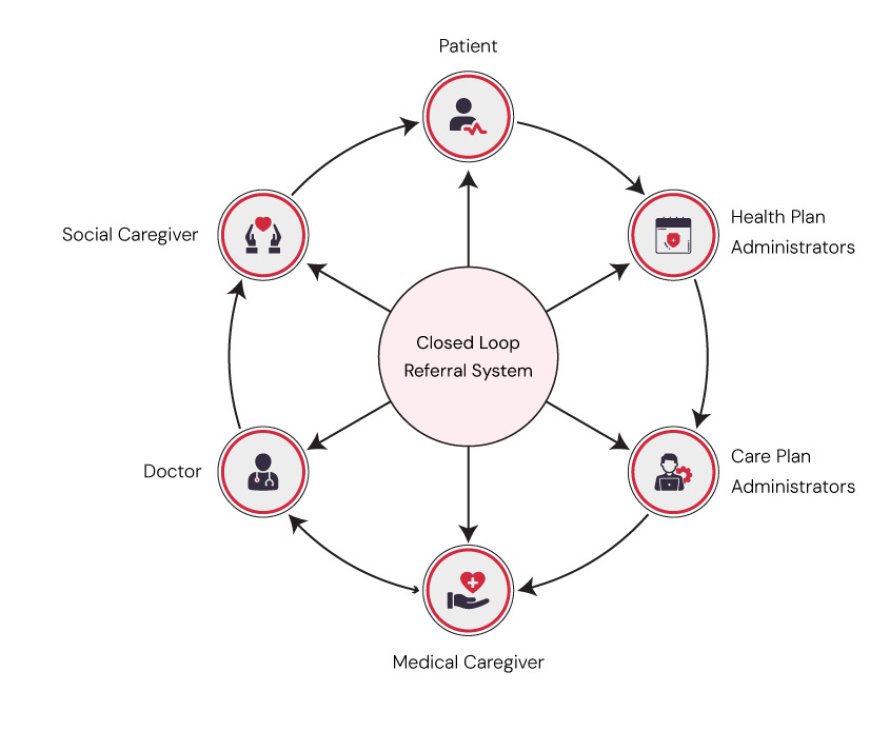
Healthcare and community organizations increasingly recognize that successful care extends beyond a single provider or service. A modern closed loop referral system enables organizations to coordinate referrals, track outcomes, and ensure every individual receives the support they need without falling through the cracks. Instead of relying on disconnected emails, spreadsheets, or phone calls, a closed-loop approach creates a transparent referral journey where providers, nonprofits, community organizations, and care coordinators can collaborate in real time. As healthcare continues to prioritize value-based care, social determinants of health (SDOH), and cross-sector collaboration, organizations need technology that transforms fragmented referrals into measurable outcomes. By connecting every stakeholder involved in the care process, organizations can improve efficiency, strengthen accountability, and create better experiences for both staff and community members.
Why Traditional Referral Processes No Longer Work
Many organizations still depend on outdated referral methods that create unnecessary delays and communication gaps. A referral may be sent successfully, but there is often little visibility into whether it was accepted, scheduled, completed, or resolved. This lack of transparency creates frustration for providers and uncertainty for patients.
Traditional referral workflows commonly suffer from:
-
Lost or delayed referrals
-
Limited communication between organizations
-
Duplicate data entry
-
Inconsistent follow-up
-
Manual reporting
-
Poor visibility into referral outcomes
These issues become even more significant when multiple organizations collaborate to address housing, food security, transportation, behavioral health, employment assistance, or other community services. Without centralized coordination, organizations struggle to deliver timely support.
Understanding a Closed Loop Referral System
A closed loop referral system is a digital platform that manages referrals from beginning to end while maintaining complete visibility throughout the process. Rather than simply sending a referral, the system tracks every step until services have been delivered and outcomes have been documented.
Each referral follows a structured workflow that includes:
-
Referral creation
-
Secure transmission
-
Referral acceptance
-
Appointment scheduling
-
Service delivery
-
Status updates
-
Outcome reporting
-
Feedback to referring organizations
This continuous information exchange ensures that everyone involved remains informed while improving collaboration across healthcare and community service networks.
Creating Connected Care Across Organizations
Modern care often involves multiple organizations working together toward a common goal. A hospital may identify food insecurity during discharge planning, while a nonprofit provides meal assistance and another agency offers transportation. Without coordinated communication, these services can become disconnected.
A closed-loop referral platform creates a shared environment where organizations can:
-
Share referral information securely
-
Monitor referral progress
-
Coordinate interventions
-
Exchange updates
-
Document completed services
-
Reduce duplicated efforts
This collaborative approach allows every organization to contribute effectively while maintaining accountability.
Improving Patient and Community Experiences
For individuals seeking assistance, navigating multiple organizations can be overwhelming. They may need to contact several agencies, repeat their information multiple times, or wait weeks for updates.
A closed loop referral system simplifies this journey by ensuring referrals are actively monitored until services are completed. Individuals experience:
-
Faster referrals
-
Better communication
-
Reduced administrative burden
-
Improved care coordination
-
Timely follow-up
-
Increased confidence in available services
When organizations work together seamlessly, community members spend less time searching for help and more time receiving meaningful support.
Supporting Social Determinants of Health
Healthcare organizations increasingly recognize that medical care alone cannot address every factor influencing health outcomes. Housing stability, nutrition, education, transportation, employment, and social support all contribute significantly to overall wellness.
Referral platforms play a critical role by connecting healthcare providers with community-based organizations capable of addressing these non-clinical needs.
Examples include referrals for:
-
Food assistance programs
-
Housing support
-
Mental health counseling
-
Transportation services
-
Financial assistance
-
Childcare resources
-
Employment services
-
Legal aid
Instead of treating these services as separate systems, organizations can coordinate them within a unified referral workflow.
Strengthening Care Coordination
Care coordination depends on timely communication between providers, care managers, case workers, and community organizations.
Without centralized referral management, coordinators often spend countless hours making phone calls, sending emails, and manually tracking updates.
A modern referral platform automates much of this work by providing:
-
Automated notifications
-
Referral status updates
-
Task management
-
Case collaboration
-
Shared documentation
-
Progress tracking
Automation allows staff to dedicate more time to supporting individuals rather than managing administrative tasks.
Enhancing Accountability Through Transparency
One of the defining strengths of a closed-loop process is accountability.
Every referral generates a complete activity history showing:
-
Who created the referral
-
When it was sent
-
Who accepted it
-
Current status
-
Completed services
-
Outcome documentation
This visibility enables organizations to identify delays, improve workflows, and ensure referrals do not remain unresolved.
Managers gain confidence knowing that referrals are actively monitored rather than disappearing into disconnected systems.
Data-Driven Decision Making
Referral platforms generate valuable operational insights that help organizations continuously improve performance.
Organizations can monitor metrics such as:
-
Referral volume
-
Average response times
-
Completion rates
-
Service demand
-
Provider capacity
-
Geographic trends
-
Outcome measurements
These analytics support better planning, resource allocation, and community partnership development.
Instead of relying on assumptions, leadership teams gain actionable data for strategic decision-making.
Building Stronger Community Networks Through Technology
A connected referral ecosystem requires more than simply transferring information between organizations. It requires a technology framework that allows different stakeholders to collaborate efficiently while maintaining security, reliability, and operational consistency. A closed-loop approach helps create stronger community networks by bringing healthcare providers, nonprofit organizations, government agencies, and social service providers together around a shared mission.
When organizations operate within the same coordinated environment, they can better understand community needs and respond faster. For example, healthcare teams identifying social challenges during patient interactions can immediately connect individuals with appropriate community resources. Partner organizations can then provide updates, allowing healthcare teams to understand whether additional support is required.
This connected model transforms referrals from simple transactions into ongoing relationships focused on improving individual and community outcomes.
Reducing Administrative Challenges for Organizations
Administrative complexity is one of the biggest barriers to effective referral management. Staff members often spend significant time tracking referrals manually, updating records, and communicating with multiple organizations.
A digital referral solution reduces these challenges by streamlining daily operations. Instead of managing separate systems, teams can access a centralized platform where referral information, communication, and progress updates are organized.
Benefits include:
-
Less manual paperwork
-
Faster communication between teams
-
Improved workflow consistency
-
Reduced operational costs
-
Better staff productivity
-
Easier reporting and compliance management
By simplifying administrative processes, organizations can focus more attention on delivering meaningful services rather than managing disconnected workflows.
Supporting Healthcare and Community Partnerships
Strong partnerships are essential for addressing complex community needs. Healthcare providers may identify challenges, but community organizations often provide the specialized resources required to resolve them.
A coordinated referral system strengthens these partnerships by creating a common communication channel. Organizations can clearly understand referral responsibilities, provide timely updates, and collaborate more effectively.
For example, a healthcare organization supporting an individual with chronic conditions may identify barriers related to transportation or food access. Through a connected referral workflow, the appropriate community partners can be engaged quickly, ensuring the individual receives comprehensive support.
This partnership-based approach encourages collaboration instead of isolated service delivery.
Improving Outcomes Through Closed-Loop Workflows
The greatest advantage of a closed-loop workflow is the ability to measure whether referrals actually create positive results.
A traditional referral process may confirm that information was sent, but it does not always confirm whether assistance was received. Closed-loop workflows solve this challenge by tracking the complete journey.
Organizations can evaluate:
-
Whether referrals reached the correct service providers
-
How quickly organizations responded
-
Whether services were completed
-
What challenges prevented successful outcomes
-
Which resources create the greatest impact
These insights help organizations continuously improve their programs and provide more effective support.
Enhancing Security and Information Management
Healthcare and community organizations manage sensitive information, making secure data handling essential. Referral technology must support responsible information sharing while ensuring authorized users can access the information they need.
A well-designed referral platform helps organizations maintain:
-
Controlled access permissions
-
Secure communication
-
Organized records
-
Consistent data management
-
Improved privacy practices
By creating a structured environment for information exchange, organizations can collaborate confidently while protecting individual privacy.
The Role of Technology in Future Care Models
The future of healthcare is moving toward integrated ecosystems where medical providers and community organizations work together to support complete well-being. Technology will continue to play an important role in connecting these networks.
As communities adopt more advanced digital solutions, referral management will become increasingly automated, measurable, and personalized. Artificial intelligence, analytics, interoperability standards, and workflow automation will further improve how organizations identify needs and deliver services.
A connected referral infrastructure allows communities to move from reactive assistance toward proactive support. Organizations can identify patterns, anticipate challenges, and develop solutions based on real-world data.
Why Organizations Should Adopt a Closed-Loop Approach
Organizations seeking better coordination, improved outcomes, and stronger partnerships need systems that provide visibility throughout the referral lifecycle. A closed-loop approach ensures that every referral receives attention, every stakeholder remains connected, and every outcome can be measured.
The advantages extend across the entire community ecosystem:
For healthcare providers:
-
Better care coordination
-
Improved patient engagement
-
Stronger connections with community resources
For community organizations:
-
More qualified referrals
-
Easier collaboration
-
Better understanding of service demand
For individuals:
-
Faster access to support
-
Reduced complexity
-
Improved overall experience
By replacing fragmented referral processes with a coordinated digital solution, organizations can create a more responsive and effective support network.
Conclusion: Creating a More Connected Future
Community health challenges require collaboration, transparency, and technology-driven solutions. A closed loop referral system provides the foundation organizations need to connect services, improve communication, and ensure individuals receive the assistance they need.
As healthcare continues evolving toward integrated and community-centered models, referral coordination will become a critical component of successful service delivery. Organizations that embrace connected referral workflows can improve efficiency, strengthen partnerships, and create measurable positive change.
By transforming referrals from disconnected handoffs into complete care journeys, communities can build systems where every individual receives timely support and no opportunity for assistance is overlooked. A technology-enabled referral ecosystem is not only improving today’s care coordination challenges but also shaping a more connected and inclusive future for healthcare and social services.
What's Your Reaction?
 Like
0
Like
0
 Dislike
0
Dislike
0
 Love
0
Love
0
 Funny
0
Funny
0
 Angry
0
Angry
0
 Sad
0
Sad
0
 Wow
0
Wow
0