
















How Functional Beverages and Health-Conscious Consumers Are Transforming the Global Energy Drinks Industry
Discover how functional beverages, clean-label ingredients, and health-conscious consumers are reshaping the global energy drinks industry through innovation, wellness trends, and evolving consumer preferences.

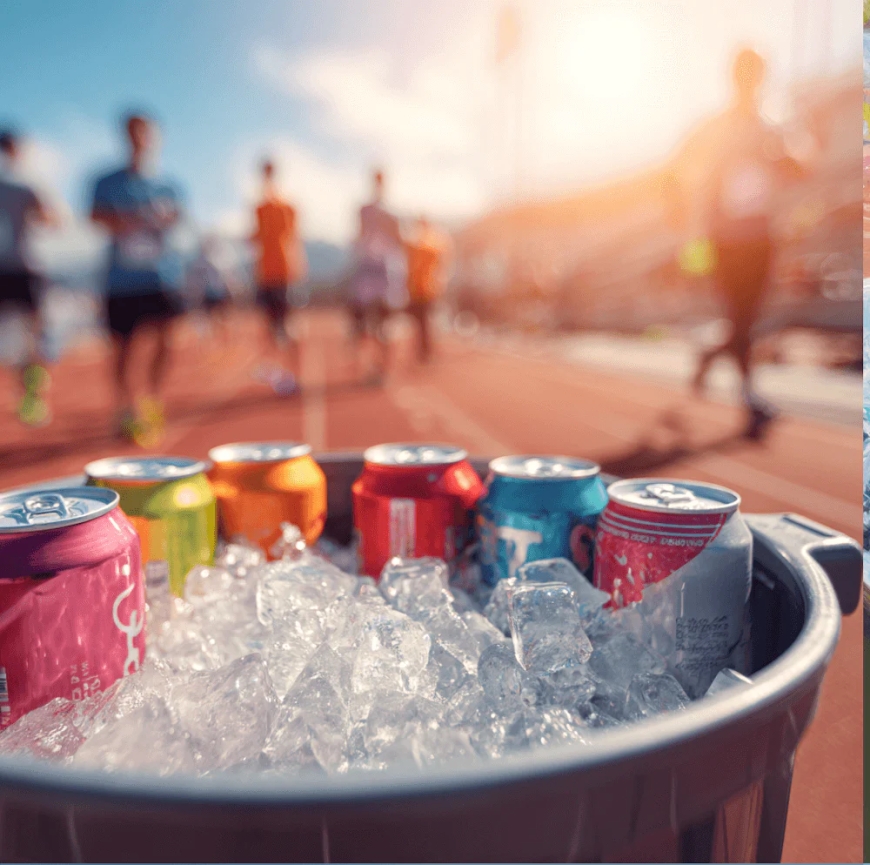
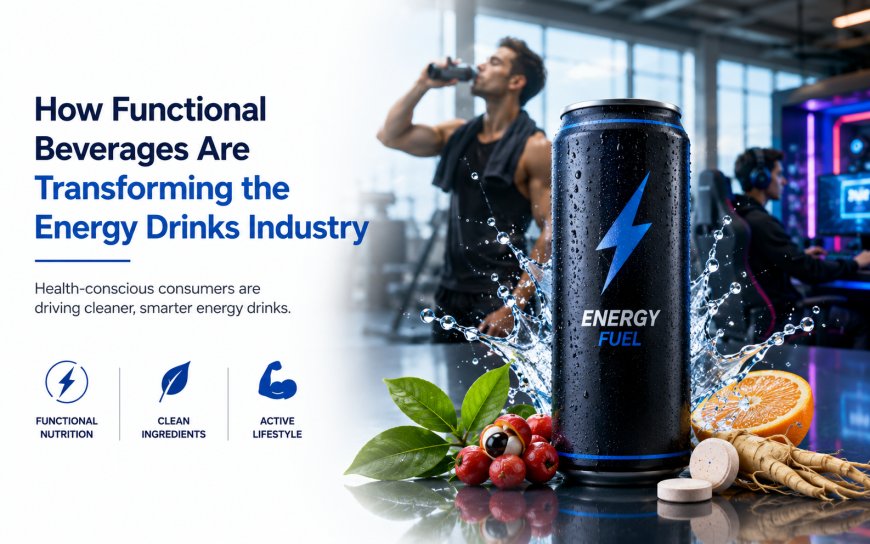
The global energy drinks industry has evolved far beyond its traditional image as a source of quick energy for athletes and late-night workers. Today, energy drinks have become part of a broader functional beverage movement, catering to consumers seeking improved focus, hydration, endurance, and overall wellness. As lifestyles become increasingly fast-paced, manufacturers are developing products with cleaner ingredients, reduced sugar content, and additional health benefits to appeal to a wider consumer base. The industry is also benefiting from changing consumption habits, where energy drinks are finding relevance in fitness routines, workplaces, gaming communities, and everyday activities.
According to a MarkNtel Advisors report, the Global Energy Drinks Market was valued at USD 93.29 billion in 2025 and is projected to grow from USD 99.39 billion in 2026 to USD 138.29 billion by 2032, registering a CAGR of 5.66% during the forecast period. The report attributes this growth to increasing demand for functional beverages, rising participation in fitness and recreational activities, expanding gaming and esports culture, and growing consumer preference for products that combine energy, hydration, and cognitive support.
Functional Nutrition Is Driving the Next Phase of Market Growth
Consumer expectations have shifted significantly over the past few years. Rather than relying solely on caffeine for an energy boost, many consumers now seek beverages that provide multiple functional benefits. Manufacturers are responding by incorporating natural caffeine sources, vitamins, electrolytes, adaptogens, amino acids, and botanical extracts into their formulations to support sustained energy, hydration, and mental performance.
According to the World Health Organization (WHO), rising obesity rates and growing awareness of healthy lifestyles are encouraging consumers to make more informed dietary choices. This shift is accelerating demand for sugar-free, low-calorie, and clean-label energy drinks that align with modern wellness trends while still delivering performance benefits.
Gaming and Esports Are Creating New Consumption Occasions
The rapid growth of gaming and esports has opened an entirely new customer segment for energy drink manufacturers. Competitive gamers, content creators, and esports enthusiasts often seek beverages that help maintain concentration and alertness during extended gaming sessions. As a result, several brands are introducing products specifically formulated with ingredients that support cognitive performance alongside energy enhancement.
The report highlights that gaming-focused brands continue expanding their portfolios with focus-enhancing formulations, creating additional consumption occasions beyond traditional sports and nightlife. This diversification is helping manufacturers strengthen engagement with younger consumers while expanding the category's long-term growth potential.
Product Innovation Is Moving Beyond Traditional Energy Drinks
Innovation remains one of the industry's strongest competitive advantages. Companies are increasingly launching beverages that combine hydration, cognitive wellness, immune support, and energy into a single product. Ingredients such as L-theanine, citicoline, B-vitamins, electrolytes, and natural caffeine are becoming more common as brands differentiate themselves in an increasingly competitive marketplace.
The European Food Safety Authority (EFSA) continues to provide scientific guidance on approved nutrition and health claims, supporting manufacturers that develop evidence-based functional beverages. These regulatory frameworks are helping improve consumer confidence while encouraging further innovation across the global energy drinks industry.
Retail Channels Continue to Lead Global Sales
Convenience stores, supermarkets, hypermarkets, and grocery chains remain the primary purchasing destinations for energy drinks due to their accessibility and strong impulse-buying potential. According to the report, retail channels accounted for approximately 77% of global sales in 2026, supported by expanding organized retail infrastructure and increasing investments in in-store merchandising. Meanwhile, metal cans represented around 54% of the market volume, reflecting consumer preference for portable, durable, and highly recyclable packaging.
Looking Ahead
The global energy drinks industry is steadily transitioning from a conventional stimulant beverage category into a broader functional wellness segment. As consumers increasingly prioritize health, convenience, and performance, manufacturers are expected to continue investing in cleaner formulations, cognitive wellness ingredients, premium products, and sustainable packaging solutions.
With fitness participation rising, esports audiences expanding, and demand for multifunctional beverages continuing to grow, the industry is well positioned for sustained long-term growth. Companies that successfully balance innovation, nutritional value, and evolving consumer preferences are likely to strengthen their competitive position in the years ahead.
What's Your Reaction?
 Like
0
Like
0
 Dislike
0
Dislike
0
 Love
0
Love
0
 Funny
0
Funny
0
 Angry
0
Angry
0
 Sad
0
Sad
0
 Wow
0
Wow
0