
















Hair transplant in Buraydah Lifestyle Tips to Maintain Results
Hair transplant in Buraydah Lifestyle Tips to Maintain Results

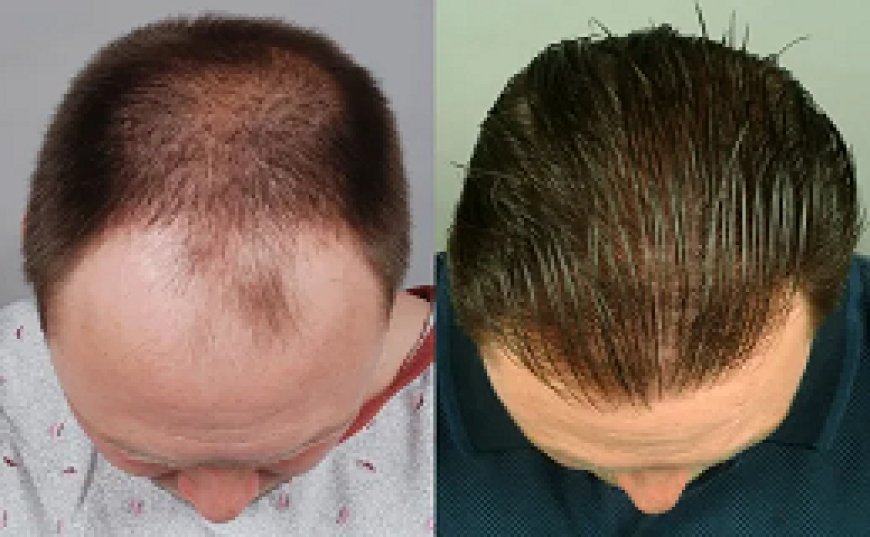
A hair transplant is a permanent surgical solution, but it is not a "magic button" that exempts you from the biological realities of hair loss. While the transplanted hair follicles—harvested from the DHT-resistant donor area—are designed to last a lifetime, the health and density of your overall scalp environment are still influenced by your lifestyle, hormonal health, and grooming habits. Hair transplant in Buraydah offers an effective solution for restoring natural hair growth, improving hair density, and enhancing confidence with long-lasting, natural-looking results.
For those in Buraydah who have invested in a hair transplant, long-term maintenance is the bridge between a good result and a truly exceptional, lifelong one. Maintaining your results is about protecting your "native" hair while optimizing the environment for your transplanted grafts.
1. The Medical Pillar: Stabilization
The most important factor in maintaining a transplant is preventing further loss of your original hair. A hair transplant restores density, but it does not stop the underlying genetic and hormonal process of androgenetic alopecia.
-
DHT Blockers: Hormonal health is key. If your surgeon has prescribed an oral DHT blocker like Finasteride, consistency is your best friend. This medication works by lowering the levels of dihydrotestosterone in the scalp—the hormone responsible for shrinking follicles. By stabilizing your native hair, you ensure that the transplant doesn't become an "island" of hair surrounded by thinning areas as you age.
-
Topical Support: Minoxidil or other hair-strengthening topicals are often recommended to keep the hair shafts thick and healthy. Think of these as a daily "vitamin" for your scalp. While they aren't as powerful as the transplant itself, they are critical for maintaining the overall density of the scalp.
2. Nutritional Optimization: Fueling the Follicle
Your hair is a reflection of your internal health. If you are nutrient-deficient, even the most expensive transplant will struggle to look its best.
-
Protein Efficiency: Hair is made of a protein called keratin. If your diet is chronically low in protein, your body will prioritize vital organs over hair growth. Incorporate lean proteins—such as chicken, fish, eggs, and legumes—into your daily meals.
-
The Power of Micronutrients: Iron, zinc, biotin, and vitamin D are essential for follicle health. In a climate like Buraydah's, where high heat and sun exposure are constant, ensure you are staying well-hydrated and consider a multivitamin if your diet lacks variety. Deficiencies in these areas can lead to hair shedding and a lackluster appearance of the hair shaft.
3. Scalp Environment and Grooming Habits
The skin of your scalp is the "soil" for your hair. If the soil is unhealthy, the hair will suffer.
-
Gentle Cleansing: Avoid harsh, stripping shampoos that contain sulfates. These can irritate the scalp and dry out the hair. Use a gentle, ph-balanced shampoo. Many patients find that using a scalp massager during their wash routine helps improve circulation, which is vital for delivering nutrients to the follicles.
-
Sun Protection: You have probably heard this during your recovery, but it applies for life. Excessive UV exposure is damaging to both the hair shaft and the scalp skin. Long-term sun damage can lead to a condition called "actinic keratosis" or simply age the scalp skin, making it less conducive to healthy hair growth. On sunny days in the Qassim province, wear a light, breathable cap or use a UV-protective hair spray.
-
Managing Hair Products: Be careful with heavy styling products like waxes, pomades, or gels. These can build up on the scalp, clogging the pores and potentially leading to inflammation. If you use them, ensure you wash your hair thoroughly at the end of the day to keep your scalp pores clear.
4. Lifestyle and Stress Management
Stress is a known, though often underestimated, trigger for hair loss.
-
The Cortisol Connection: Chronic stress elevates cortisol levels in the body, which can disrupt the natural hair growth cycle and cause "telogen effluvium"—a form of temporary shedding. Managing stress through exercise, adequate sleep, and mindfulness isn't just good for your mood; it's a protective measure for your hair density.
-
Circulation and Exercise: Regular cardiovascular exercise is one of the best ways to improve blood flow throughout the body, including the scalp. Better circulation means more oxygen and nutrients reaching your follicles. Just remember to protect your scalp from sweat and bacteria by washing your hair thoroughly after a high-intensity workout.
5. Professional Maintenance: The "Booster" Strategy
Maintenance isn't just a DIY process; it is a partnership with your clinic.
-
PRP Therapy: Platelet-Rich Plasma (PRP) therapy is an excellent long-term maintenance tool. Even after your transplant is fully grown, receiving a "refresher" session of PRP once or twice a year can help maintain the density and thickness of your native hair. It is a non-invasive way to keep the scalp environment rich in growth factors.
-
Routine Check-ups: Visit your surgeon once every year or two. They can perform a quick scalp scan to monitor for any new areas of thinning. Catching hair loss in its early stages is much easier to manage than waiting until it becomes a significant aesthetic concern.
6. Avoiding the "Transplant Trap"
The most common mistake patients make is believing they no longer need to pay attention to their hair once the transplant is done. They stop their medical treatments, they get careless with their diet, and they ignore the early signs of thinning in the native areas.
Remember, the goal of a transplant is to create a seamless, natural look that lasts a lifetime. This requires:
-
Consistency: Keep up with your medications and supplements.
-
Awareness: Monitor your scalp for changes.
-
Proactivity: Address issues early rather than waiting for them to worsen.
The Psychological Aspect of Maintenance
Maintaining your transplant is also a form of mental health care. By taking small, consistent steps to care for your hair, you maintain the confidence you gained from the procedure. It removes the "worry factor" from your daily life. You aren't just protecting a surgical result; you are protecting your personal investment in your own confidence and appearance.
Final Thoughts
Your hair transplant is a significant achievement, but it is just the beginning. The life you live—what you eat, how you manage stress, how you protect your skin from the sun, and your commitment to medical stabilization—will dictate how that transplant looks in ten, twenty, or thirty years.
In Buraydah, the best outcomes are seen in patients who treat their hair with the same care and respect they would show any other vital part of their health. When you adopt a holistic, long-term lifestyle approach, you don't just have a head of hair; you have a sustainable, healthy, and natural look that remains a cornerstone of your confidence for the rest of your life.
What's Your Reaction?
 Like
0
Like
0
 Dislike
0
Dislike
0
 Love
0
Love
0
 Funny
0
Funny
0
 Angry
0
Angry
0
 Sad
0
Sad
0
 Wow
0
Wow
0