
















How Pet Insurance Can Help Manage Unexpected Veterinary Costs

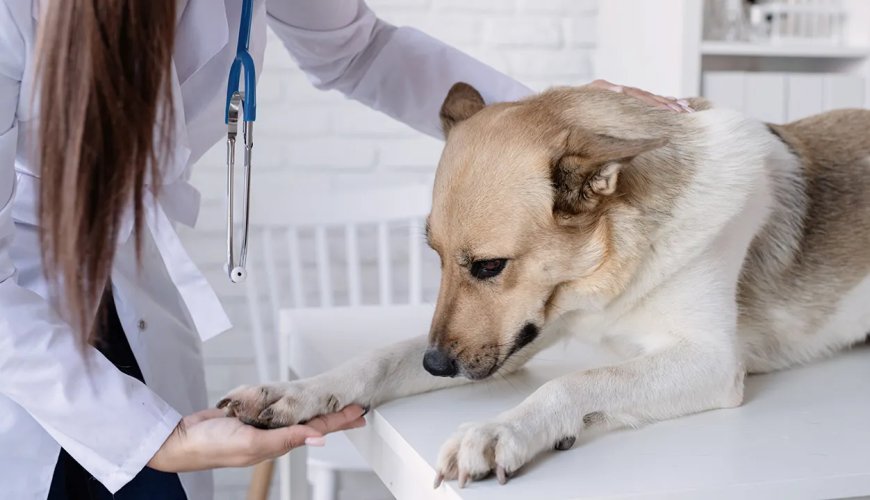
Pets bring companionship, comfort, and joy to our lives. Whether you have a playful puppy, a curious kitten, or a senior companion, ensuring their health and well-being is one of the most important responsibilities of pet ownership. While routine veterinary care is expected, many pet owners are unprepared for the financial impact of sudden illnesses, accidents, or emergency treatments. Investing in pet wellness care can help identify potential health concerns before they become costly medical issues.
Unexpected veterinary costs can quickly add up, especially when advanced diagnostics, surgery, hospitalization, or long-term treatment plans become necessary. This is where pet insurance can play a valuable role. By helping offset eligible medical expenses, pet insurance provides financial protection and allows pet owners to focus on making healthcare decisions based on their pet's needs rather than budget constraints.
In this guide, we'll explore how pet insurance works, what it typically covers, how it supports preventive healthcare, and why it can be an important part of responsible pet ownership.

Understanding Pet Insurance
Pet insurance is a healthcare reimbursement program designed to help cover eligible veterinary expenses. Similar to human health insurance, policyholders pay a monthly premium in exchange for financial assistance when covered medical treatments are needed.
Most pet insurance plans operate on a reimbursement basis. Pet owners pay the veterinary bill upfront and then submit a claim to the insurance provider for reimbursement according to the policy's terms.
Coverage options vary between providers, but many plans help cover:
-
Emergency veterinary visits
-
Diagnostic testing
-
Surgical procedures
-
Hospitalization
-
Prescription medications
-
Chronic condition management
-
Specialist consultations
-
Accident and illness treatment
Some providers also offer wellness add-ons that help cover preventive care services.
Why Unexpected Veterinary Costs Can Be Challenging
Even healthy pets can experience unexpected health issues. Accidents, infections, injuries, and chronic diseases can occur at any stage of life.
Common Unexpected Veterinary Expenses
|
Veterinary Service |
Potential Need |
|
Emergency Exam |
Accidents, poisoning, sudden illness |
|
Diagnostic Imaging |
Broken bones, internal injuries |
|
Blood Testing |
Disease diagnosis and monitoring |
|
Surgery |
Foreign body removal, orthopedic repair |
|
Hospitalization |
Severe illness or recovery care |
|
Specialist Care |
Cardiology, oncology, neurology |
These services are often necessary to provide timely treatment and improve outcomes for pets.
Without financial preparation, some owners may face difficult decisions regarding care options.
How Pet Insurance Supports Better Healthcare Decisions
One of the greatest advantages of pet insurance is the ability to make medical decisions based on veterinary recommendations rather than financial limitations.
When a pet becomes ill or injured, veterinarians often recommend diagnostic testing or treatment plans that provide the best chance of recovery. Insurance can help reduce the financial burden associated with these recommendations.
Benefits of Financial Flexibility
Pet insurance may help owners:
-
Pursue advanced diagnostic testing
-
Access specialized veterinary care
-
Approve emergency procedures more quickly
-
Manage chronic disease treatment
-
Reduce financial stress during emergencies
This flexibility often leads to more proactive healthcare decisions and better long-term outcomes.
The Role of Preventive Care in Reducing Costs
Preventive care remains one of the most effective ways to support lifelong pet health. While insurance is commonly associated with emergencies, preventive healthcare can reduce the likelihood of more serious and costly problems later.
Routine checkups allow veterinarians to detect concerns early before they progress into complex conditions.
Regular pet wellness exams help monitor:
-
Weight changes
-
Dental health
-
Skin and coat condition
-
Heart and respiratory function
-
Joint mobility
-
Behavioral changes
-
Early signs of disease
Early detection often leads to less invasive and less expensive treatment options.
Wellness Plans vs. Traditional Insurance
Many pet owners assume all insurance plans cover routine care. In reality, traditional accident and illness policies may not include preventive services unless a wellness package is added.
Comparison of Coverage Types
|
Feature |
Standard Insurance |
Wellness Add-On |
|
Accident Coverage |
Yes |
No |
|
Illness Coverage |
Yes |
No |
|
Emergency Surgery |
Yes |
No |
|
Vaccinations |
Usually No |
Often Yes |
|
Routine Exams |
Usually No |
Often Yes |
|
Preventive Screening |
Usually No |
Often Yes |
|
Parasite Prevention |
Usually No |
Sometimes |
Understanding the differences can help pet owners choose a policy that aligns with their healthcare goals and budget.
Why Routine Veterinary Visits Matter
Routine veterinary visits are an essential part of maintaining health at every life stage.
A comprehensive pet wellness exam allows veterinarians to evaluate your pet's overall condition and identify subtle changes that might otherwise go unnoticed.
For younger pets, preventive care focuses on growth, development, nutrition, and vaccination schedules.
For adult pets, exams help maintain long-term health and detect emerging issues.
For senior pets, more frequent evaluations may be recommended to monitor age-related conditions.
Dogs Benefit from Regular Assessments
A thorough dog wellness exam helps monitor:
-
Weight management
-
Joint health
-
Dental condition
-
Heart health
-
Preventive care needs
Because dogs often hide signs of discomfort, regular examinations can be particularly valuable.
Cats Need Preventive Care Too
Many cat owners underestimate the importance of veterinary visits because cats often appear healthy even when underlying illness is present.
A routine cat wellness exam can identify:
-
Kidney disease
-
Thyroid disorders
-
Dental disease
-
Weight changes
-
Arthritis
-
Behavioral concerns
Early diagnosis improves treatment options and quality of life.
Pet Insurance and Emergency Situations
Emergencies are among the most common reasons pet owners consider insurance.
Examples include:
-
Vehicle accidents
-
Broken bones
-
Poison ingestion
-
Heatstroke
-
Severe allergic reactions
-
Foreign object ingestion
These situations often require immediate medical intervention and, in some cases, pet surgery to stabilize a pet and improve recovery outcomes.
If your pet experiences a medical emergency, timely veterinary evaluation is critical. Many veterinary hospitals provide urgent and emergency services that can significantly improve outcomes when treatment begins quickly.
Pet owners can learn more about emergency veterinary support through the hospital's emergency care resources and treatment options available through an experienced veterinary team.
Supporting Long-Term Chronic Condition Management
Chronic diseases can require ongoing care for months or years.
Examples include:
-
Diabetes
-
Arthritis
-
Allergies
-
Heart disease
-
Kidney disease
-
Cancer
Managing these conditions often involves recurring expenses such as:
-
Medications
-
Follow-up appointments
-
Laboratory testing
-
Imaging studies
-
Specialist consultations
Some pets with mobility issues or chronic pain may also benefit from companion laser therapy as part of a comprehensive treatment plan.
Pet insurance may help reduce the cumulative financial burden associated with long-term treatment.
Choosing the Right Insurance Provider
Not all pet insurance plans are created equal.
When evaluating providers, consider the following factors:
Coverage Limits
Review annual, lifetime, and per-condition limits.
Reimbursement Percentage
Most providers offer reimbursement rates ranging from 70% to 90%.
Deductibles
Higher deductibles generally result in lower monthly premiums.
Waiting Periods
Most policies include waiting periods before coverage begins.
Exclusions
Read policy documents carefully to understand exclusions and pre-existing condition limitations.
Questions to Ask Before Purchasing a Policy
Before selecting a provider, ask:
-
What conditions are covered?
-
Are hereditary conditions included?
-
Is preventive care available?
-
What reimbursement options are offered?
-
How are claims processed?
-
Are prescription medications covered?
-
Is specialist care eligible?
Comparing answers across providers can help identify the most suitable plan.
The Importance of Building a Relationship With Your Veterinarian
Insurance is only one component of a complete healthcare strategy.
A strong relationship with a trusted veterinary team supports better preventive care, earlier disease detection, and personalized treatment recommendations.
Regular visits provide opportunities to discuss:
-
Nutrition
-
Vaccinations
-
Dental care
-
Behavioral concerns
-
Parasite prevention
-
Age-related health changes
For pets requiring both preventive and medical treatment, a veterinary wellness and sick visit schedule may be recommended based on individual needs.
Many pet owners benefit from establishing care with a full-service veterinary hospital that offers wellness care, diagnostics, surgery, dental services, and ongoing health management under one roof.
For example, services such as wellness care, diagnostics, and preventive medicine can be explored through Eagle Animal Hospital's wellness and preventive care pages to better understand available options.
How Preventive Care and Insurance Work Together
Preventive healthcare and insurance should be viewed as complementary tools.
Preventive care helps reduce risk and detect disease early.
Insurance helps manage financial exposure when unexpected medical situations occur.
Together, they create a more comprehensive approach to pet healthcare.
Pets receiving consistent veterinary care are often better positioned for early diagnosis, effective treatment, and improved long-term outcomes.
Many owners find that combining routine wellness visits with insurance coverage creates greater peace of mind throughout their pet's life.
Common Misconceptions About Pet Insurance
Myth 1: My Pet Is Healthy, So I Don't Need Insurance
Healthy pets can still experience accidents and unexpected illnesses.
Myth 2: Insurance Covers Everything
Coverage varies by provider and policy. Reading the details is essential.
Myth 3: Insurance Replaces Preventive Care
Insurance and preventive care serve different purposes. Both contribute to long-term health management.
Myth 4: Insurance Is Only Useful for Older Pets
Younger pets often qualify for lower premiums and may benefit from coverage before health issues develop.
Financial Peace of Mind for Pet Owners
One of the most overlooked benefits of pet insurance is emotional relief.
Knowing that financial assistance may be available during a medical crisis can reduce stress and allow families to focus on supporting their pet's recovery.
While insurance cannot prevent illness or injury, it can help make unexpected healthcare costs more manageable.
Combined with preventive care, routine veterinary visits, and proactive health monitoring, insurance can play a valuable role in supporting lifelong pet wellness.
Final Thoughts
Unexpected veterinary expenses can arise at any time, regardless of a pet's age or health history. Pet insurance offers a practical way to prepare for these situations while helping pet owners manage financial risk.
Whether you're caring for a new puppy, an active adult dog, a curious kitten, or a senior companion, insurance can provide an added layer of protection when medical needs arise. When paired with regular preventive care, routine veterinary visits, and ongoing communication with your veterinarian, pet insurance becomes part of a comprehensive strategy for protecting your pet's health.
Investing in preventive care, maintaining consistent veterinary visits, and choosing the right insurance plan can help ensure your pet receives the care they need when it matters most. If you have questions about your pet's healthcare needs, you can schedule an appointment with the team at Eagle Animal Hospital.
Q: Does pet insurance cover routine veterinary visits?
A: Standard policies often focus on accidents and illnesses. Some providers offer wellness add-ons that may help cover vaccinations, screenings, and routine preventive services such as pet wellness exams.
Q: When should I enroll my pet in insurance?
A: Many experts recommend enrolling pets while they are young and healthy. Early enrollment may provide broader coverage options and help avoid exclusions related to future medical conditions.
Q: How often should my dog have a wellness checkup?
A: Most healthy adult dogs benefit from at least one annual dog wellness exam. Puppies, senior pets, and pets with medical conditions may require more frequent evaluations.
Q: Are wellness visits important for indoor cats?
A: Yes. A regular cat wellness exam can help detect hidden conditions such as kidney disease, dental problems, weight changes, and thyroid disorders before symptoms become severe.
Q: What is the difference between a wellness visit and a sick visit?
A: Preventive visits focus on maintaining health and detecting issues early, while a veterinary wellness and sick visit addresses active symptoms, illness, injury, or medical concerns requiring diagnosis and treatment.
What's Your Reaction?
 Like
0
Like
0
 Dislike
0
Dislike
0
 Love
0
Love
0
 Funny
0
Funny
0
 Angry
0
Angry
0
 Sad
0
Sad
0
 Wow
0
Wow
0