


















How to prepare mentally for a hair transplant procedure

How to Prepare Mentally for a Hair Transplant Procedure
A hair transplant is not just a physical procedure—it is also an emotional and psychological journey. Many people focus heavily on the medical side, but mental preparation plays an equally important role in how comfortable you feel before, during, and after the surgery.
Feeling nervous before a hair transplant is completely normal. The idea of surgery, even a minimally invasive one, can trigger anxiety. However, with the right mindset and preparation, the experience becomes much more manageable and often far less stressful than expected.
Hair transplant in Dammam is becoming an increasingly popular option for people seeking a long-term solution to hair loss and thinning hair.
This guide explains how to prepare mentally for a hair transplant procedure so you can approach it with confidence and realistic expectations.
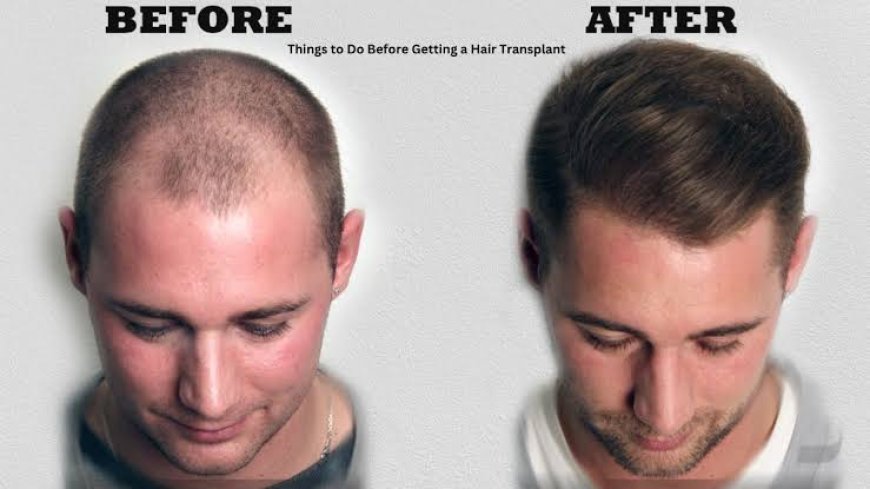
Understanding the Procedure Reduces Anxiety
One of the biggest causes of fear is uncertainty. When you clearly understand what will happen during the procedure, anxiety naturally decreases.
A typical hair transplant involves:
- Local anesthesia to numb the scalp
- Extraction of hair follicles (FUE or FUT technique)
- Implantation of grafts into thinning areas
- A few hours of sitting or lying comfortably
You remain awake during the procedure, but you do not feel significant pain. Most patients are surprised by how manageable the experience is once it begins.
Set Realistic Expectations
Mental preparation starts with understanding what a hair transplant can and cannot do.
A hair transplant can:
- Restore hair in bald or thinning areas
- Improve hairline shape and density
- Create a natural-looking appearance
- Provide long-term results in transplanted areas
A hair transplant cannot:
- Stop future natural hair loss completely
- Create unlimited density like teenage hair
- Deliver instant results
Why this matters:
Unrealistic expectations can lead to disappointment, even when the procedure is successful. Accepting the gradual nature of results helps maintain a positive mindset throughout the journey.
Accept the Timeline of Results
Hair transplant results take time, and this can sometimes cause impatience or anxiety if not understood beforehand.
Typical timeline:
- First 1–2 weeks: Healing phase
- 2–8 weeks: Temporary shedding (normal)
- 3–4 months: Early regrowth begins
- 6–9 months: Noticeable improvement
- 12 months: Final results
Understanding this timeline helps you mentally prepare for a gradual transformation instead of expecting instant change.
Address Fear of Pain and Discomfort
Fear of pain is one of the most common concerns.
The reality is:
- Local anesthesia numbs the scalp during the procedure
- You may feel pressure, but not sharp pain
- Post-procedure discomfort is usually mild and temporary
Mental tip:
Instead of focusing on “pain,” think of it as a long procedure where you are relaxed, resting, or even watching content while the surgery is performed.
Knowing that discomfort is minimal helps reduce pre-surgery anxiety significantly.
Talk to Your Surgeon Before the Procedure
Clear communication with your doctor can greatly ease mental stress.
You should feel comfortable asking:
- What technique will be used?
- How long will the procedure take?
- What results can I realistically expect?
- What will recovery feel like?
A good surgeon will explain everything clearly and reassure you about each stage. This builds trust and reduces fear of the unknown.
Visualize the Positive Outcome
Visualization is a powerful mental tool.
Instead of focusing on:
- Surgery discomfort
- Recovery restrictions
- Temporary shedding phase
Focus on:
- A fuller hairline
- Improved appearance
- Increased confidence
- Long-term results
Mental imagery helps shift your mindset from anxiety to motivation.
Manage Anxiety Before the Procedure
If you feel nervous in the days leading up to surgery, simple techniques can help.
Effective methods:
- Deep breathing exercises
- Light physical activity like walking
- Meditation or mindfulness practice
- Listening to calming music
- Avoiding negative online stories or fear-based content
Reducing general stress levels makes the procedure day much easier.
Avoid Overthinking Online Information
A common mistake is reading too many conflicting experiences online.
This can lead to:
- Unnecessary fear
- Confusion about results
- Overestimating risks
Remember:
- Every case is different
- Outcomes depend on individual factors
- Online experiences often highlight extremes, not averages
Focus on professional medical advice instead of random opinions.
Prepare for the Day of Surgery Mentally
On the day of the procedure, your mindset matters a lot.
Helpful tips:
- Get a good night’s sleep before surgery
- Eat a light, healthy meal unless instructed otherwise
- Wear comfortable clothing
- Arrive with a calm and positive attitude
During the procedure:
- Stay relaxed and still
- Communicate if you feel discomfort
- Listen to music or watch content if allowed
- Trust the medical team
The more relaxed you are, the smoother the experience becomes.
Accept Temporary Changes After Surgery
Post-procedure changes can sometimes surprise patients if not expected.
You may notice:
- Redness or swelling
- Scabs on the scalp
- Temporary shedding of transplanted hair
Mental preparation tip:
Remind yourself that these are temporary healing stages, not signs of failure. The final result develops gradually over months.
Build Patience as Part of the Process
Hair transplant success requires patience.
Why patience is important:
- Hair grows in cycles, not instantly
- Early shedding is normal
- Density improves gradually over time
Patients who understand this process remain more satisfied and less anxious during recovery.
Stay Focused on Long-Term Benefits
Instead of focusing on short-term inconvenience, think about long-term value:
- Permanent improvement in appearance
- Reduced need for daily hair concealment
- Boost in self-confidence
- Better grooming flexibility
Keeping your attention on the end result helps maintain motivation throughout recovery.
Conclusion
Mentally preparing for a hair transplant is just as important as physical preparation. Understanding the procedure, setting realistic expectations, managing anxiety, and focusing on long-term results all contribute to a smoother and more positive experience.
Most fears surrounding hair transplant surgery come from uncertainty, not reality. Once patients understand the process, they often find it far easier and more comfortable than expected.
With the right mindset, a hair transplant becomes not just a medical procedure, but a confident step toward long-term hair restoration and self-improvement.
Tags:
What's Your Reaction?
Like
0
Dislike
0
Love
0
Funny
0
Angry
0
Sad
0
Wow
0
Related Posts
أفضل مراكز زراعة الشعر في بريدة
Muhammad irfan Jul 9, 2026 0 1
Mole Removal in Riyadh Who Is an Ideal Candidate
Muhammad Haseeb Jul 8, 2026 0 1