













HVAC: The Complete Guide to Modern Heating, Ventilation, and Air Conditioning Systems
HVAC: The Complete Guide to Modern Heating, Ventilation, and Air Conditioning Systems

Understanding the Importance of HVAC in Modern Living
Comfortable indoor environments have become an essential part of everyday life. Whether it is staying cool during a hot summer afternoon or maintaining warmth during freezing winter nights, hvac systems play a vital role in creating safe, healthy, and energy-efficient spaces. Beyond temperature control, these systems influence indoor air quality, humidity levels, and overall well-being.
As buildings become more advanced and energy-conscious, the demand for reliable hvac solutions continues to grow. Homeowners, businesses, and industries are increasingly looking for systems that provide comfort while reducing energy consumption and environmental impact. Understanding how HVAC works and why it matters can help people make smarter decisions about installation, maintenance, and upgrades.
What Is HVAC and How Does It Work?
HVAC stands for Heating, Ventilation, and Air Conditioning. It refers to a complete system designed to regulate indoor temperature, circulate air, and maintain air quality. While each component serves a different purpose, they work together to create a balanced indoor environment.
Heating Systems
Heating systems are responsible for keeping indoor spaces warm during colder months. Common heating methods include furnaces, heat pumps, boilers, and electric heating units. These systems generate or transfer heat and distribute it throughout a building using ductwork, radiators, or other methods.
Modern heating technology focuses on efficiency. Many newer systems use advanced controls and smart technology to provide warmth only when needed, helping reduce energy waste and lower utility expenses.
Ventilation Systems
Ventilation is one of the most important yet often overlooked parts of HVAC. Proper ventilation ensures that fresh air enters a building while stale air, pollutants, and excess moisture are removed.
A well-designed ventilation system can reduce indoor air contaminants such as dust, allergens, and odors. This is especially important because people spend a significant amount of time indoors, where air quality can directly affect health and comfort.
Air Conditioning Systems
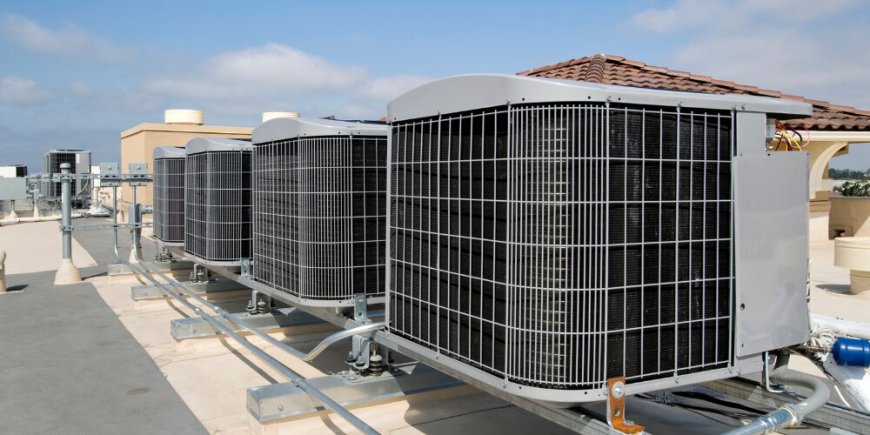
Air conditioning systems help maintain comfortable temperatures during warm weather. They remove heat from indoor spaces and release it outside, creating a cooler and more pleasant environment.
Today’s air conditioning technology has improved significantly. Energy-efficient compressors, smart thermostats, and environmentally friendly refrigerants allow modern systems to provide effective cooling while using less electricity.
Why HVAC Systems Are Essential for Homes and Businesses
The importance of HVAC extends far beyond temperature control. These systems provide several benefits that improve quality of life and building performance.
Improved Indoor Comfort
A properly functioning HVAC system maintains consistent temperatures throughout a property. Instead of dealing with uncomfortable hot or cold areas, occupants can enjoy a stable indoor climate throughout the year.
For businesses, maintaining comfortable conditions can improve employee productivity and create a better experience for customers. In residential settings, HVAC systems help families enjoy a healthier and more relaxing living environment.
Better Indoor Air Quality
Indoor air pollution can come from many sources, including cleaning products, building materials, dust, and outdoor pollutants. Without proper ventilation and filtration, these particles can accumulate indoors.
Modern HVAC systems often include advanced air filters, purification technologies, and humidity controls. These features help reduce airborne particles and create cleaner indoor spaces.
Increased Energy Efficiency
Energy efficiency has become a major priority for property owners. Older HVAC systems often consume more energy because of outdated technology and reduced performance.
Upgrading to a modern HVAC system can significantly improve efficiency. Features such as programmable thermostats, variable-speed motors, and smart controls allow systems to operate more effectively while reducing unnecessary energy use.
Choosing the Right HVAC System
Selecting the right HVAC system requires careful consideration. Every property has different requirements based on size, design, climate, and usage patterns.
Consider the Size of the Property
One of the most important factors when choosing an HVAC system is proper sizing. A system that is too small may struggle to maintain comfortable temperatures, while an oversized system may cycle on and off too frequently, reducing efficiency.
Professional HVAC assessments help determine the correct system capacity for a building. This ensures better performance, longer equipment life, and improved energy savings.
Evaluate Energy Ratings
Energy ratings provide valuable information about system efficiency. Higher-rated HVAC equipment may require a larger initial investment but can deliver long-term savings through reduced energy consumption.
When comparing options, property owners should consider both upfront costs and long-term operating expenses.
Explore Smart HVAC Technology
Technology has transformed the HVAC industry. Smart thermostats and connected systems allow users to control temperature settings remotely through mobile devices.
These intelligent features can learn user preferences, adjust automatically, and provide energy usage reports. As a result, smart HVAC systems offer greater convenience and improved efficiency.
The Importance of Regular HVAC Maintenance
Even the best HVAC systems require regular care to perform effectively. Maintenance helps prevent unexpected breakdowns, improves efficiency, and extends equipment lifespan.
Changing Air Filters
Air filters collect dust, debris, and airborne particles. Over time, clogged filters restrict airflow and force the system to work harder.
Replacing filters regularly improves system performance and contributes to healthier indoor air quality.
Inspecting System Components
Professional HVAC inspections help identify potential issues before they become major problems. Technicians check components such as coils, electrical connections, refrigerant levels, and moving parts.
Routine inspections can reduce repair costs and ensure that the system operates safely.
Cleaning and Optimizing Performance
Dust and debris can accumulate inside HVAC equipment, affecting efficiency. Regular cleaning helps maintain proper airflow and allows components to function effectively.
A well-maintained system provides more consistent comfort and consumes less energy.
Future Trends in the HVAC Industry
The HVAC industry continues to evolve as technology and environmental concerns shape new solutions. Future systems are expected to become even smarter, more efficient, and environmentally friendly.
Sustainable HVAC Solutions
Environmental awareness is driving innovation in HVAC design. Manufacturers are developing systems that use less energy and rely on environmentally responsible refrigerants.
Renewable energy integration, such as solar-powered HVAC solutions, is also becoming more popular as people seek greener alternatives.
Artificial Intelligence and Automation
Artificial intelligence is expected to play a larger role in HVAC management. AI-powered systems can analyze usage patterns, predict maintenance needs, and automatically adjust settings for maximum efficiency.
This advancement could make future HVAC systems more convenient and cost-effective than ever before.
Improved Air Quality Technologies
As awareness of indoor air quality increases, HVAC systems are incorporating advanced purification technologies. Features such as UV filtration, advanced air cleaners, and humidity management systems are becoming more common.
These innovations aim to create healthier indoor environments for homes, offices, and public spaces.
Conclusion: The Future of Comfortable and Healthy Indoor Spaces
HVAC systems are no longer simply tools for heating and cooling. They are essential technologies that influence comfort, health, energy efficiency, and environmental responsibility. As buildings become smarter and sustainability becomes more important, HVAC solutions will continue to evolve to meet changing needs.
Investing in the right system, maintaining it properly, and embracing new technologies can create more efficient and healthier indoor environments. The future of HVAC represents an opportunity to rethink how people experience indoor spaces and consider how innovative solutions can contribute to a more comfortable and sustainable world.
What's Your Reaction?
 Like
0
Like
0
 Dislike
0
Dislike
0
 Love
0
Love
0
 Funny
0
Funny
0
 Angry
0
Angry
0
 Sad
0
Sad
0
 Wow
0
Wow
0