








Tattoo removal in Riyadh Latest Laser Technologies Explained
Tattoo removal in Riyadh Latest Laser Technologies Explained

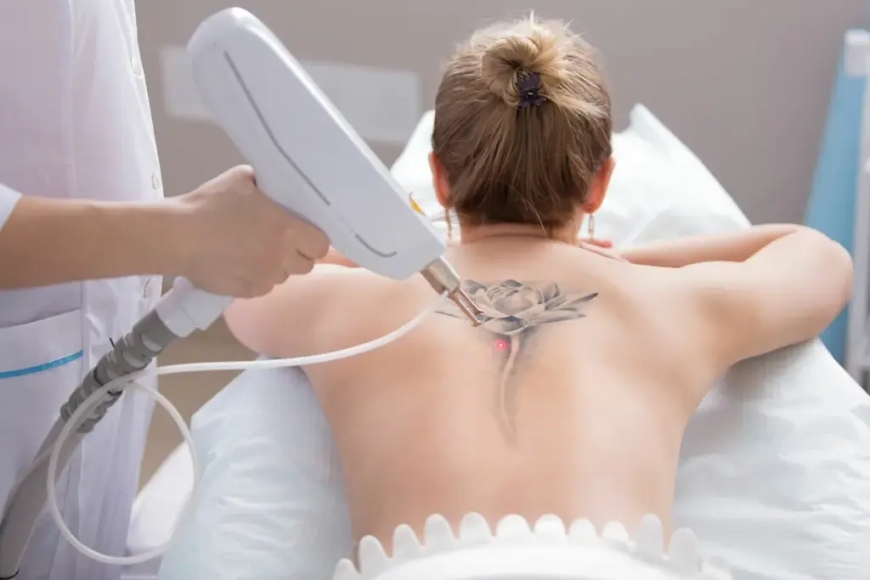
The landscape of tattoo removal in Riyadh has undergone a massive transformation over the past decade. Where once the process was synonymous with painful, scarring methods that often left the skin worse than it started, modern technology has turned removal into a highly precise, safe, and efficient medical science. If you are exploring tattoo removal in the capital, it is essential to understand the current technological hierarchy. The difference between an older, outdated laser and a modern, high-tech system is the difference between a frustrating, years-long struggle and a streamlined, effective aesthetic journey. Tattoo removal in Riyadh is a safe and effective option for reducing or eliminating unwanted tattoos, helping individuals achieve clearer skin with advanced treatment techniques.
The Evolution: From Heat to Photomechanical Shockwaves
To understand the latest technology, you must first understand what the laser is actually doing. Older "Q-switched" lasers relied on a process called photothermal energy. They used relatively long pulses—measured in nanoseconds—to heat the ink until it shattered. While effective, the heat was problematic; it could disperse into the surrounding skin, causing unnecessary inflammation, a higher risk of scarring, and significant patient discomfort.
The "latest generation" of lasers, specifically the picosecond laser, has fundamentally changed this. A picosecond is one-trillionth of a second. By delivering energy in such an incredibly short burst, these lasers move past the "heat" phase. They create a photomechanical effect—a rapid, intense shockwave that literally shatters the ink particles into dust-like fragments without causing thermal damage to the surrounding skin.
Why Picosecond Technology is the Standard for Success
If you are vetting clinics in Riyadh, your primary inquiry should be whether they offer picosecond technology. Here is why this is considered the gold standard:
1. Unmatched Shattering Efficiency Because the pulses are so short and intense, picosecond lasers can break down ink into significantly smaller particles than older technology. The smaller the ink fragment, the easier it is for your body’s immune system (the macrophages) to "swallow" and remove it. This leads to faster fading, fewer sessions, and a much cleaner final result.
2. Drastically Reduced Thermal Damage The most common side effect of outdated lasers was damage to the skin surface, which could lead to texture changes or scarring. Because picosecond lasers generate almost no heat, the surrounding skin remains cool and protected. This is particularly important for patients with sensitive skin or those with deeper skin tones, where protecting the natural melanin is a top priority.
3. Superior Results for "Hard" Colors The latest multi-wavelength picosecond systems are capable of targeting colors that were previously considered "unremovable." While black and dark blue are still the easiest to treat, these advanced lasers use specific, dedicated wavelengths to target vibrant greens, blues, and even stubborn reds. If you have a complex, multi-colored tattoo, these high-tech systems are your best chance of achieving significant clearance.
The Importance of Variable Wavelengths
A single-wavelength laser is a limited tool. A high-end clinic in Riyadh will feature a "multi-wavelength" platform, which is critical for treating the broad spectrum of pigments found in modern professional tattoos.
-
1064 nm Wavelength: This is the workhorse for deep, dark pigments. It penetrates deep into the dermis, making it perfect for black and dark blue ink.
-
532 nm Wavelength: This is used for "warm" colors, such as red, orange, and yellow. It targets these pigments while being safe for the skin surface.
-
Specialized Wavelengths (often 694 nm or 755 nm): These are the high-tech additions used specifically for cool-toned colors like bright greens and teals. If a clinic does not have a laser capable of outputting these specific frequencies, they will struggle to clear those colors, no matter how powerful the device is.
Integration with Biological Priming
The latest trend in Riyadh’s top clinics is not just using a laser; it is combining the laser with biological "priming" techniques.
One of the most exciting developments is the use of Platelet-Rich Plasma (PRP) in tandem with laser removal. PRP is rich in growth factors that stimulate the repair of skin tissue and increase blood flow. By injecting PRP into the area during the recovery phase between laser sessions, clinicians can help the skin heal faster, reduce inflammation, and, most importantly, boost the activity of the immune cells that are busy clearing the ink. This synergy makes the removal process smoother and helps preserve the natural texture of your skin.
How to Evaluate the Tech at Your Chosen Clinic
When you walk into a clinic for a consultation in Riyadh, you are the consumer of a specialized service. Do not be afraid to ask technical questions. A professional clinic will be proud of the equipment they have invested in and will happily explain why it is the right choice for you.
-
Ask for the Name of the System: Research the brand and the type of laser. Is it a picosecond system? Is it a multi-wavelength platform?
-
Ask about Cooling Tech: The latest lasers are often paired with advanced cooling devices (like chilled-air systems) that work in real-time. Ask how they manage patient comfort—this is a sign of a clinic that invests in the total patient experience.
-
Look for FDA/SFDA Clearance: Ensure that the clinic is using equipment that is cleared by the relevant health authorities. This is a baseline requirement for safety and efficacy in the kingdom.
The Role of the Operator
It is important to remember that the laser is just a tool. The "latest technology" is only as good as the person operating it. A high-end picosecond laser in the hands of an inexperienced operator is less safe than a standard laser in the hands of a board-certified dermatologist.
In Riyadh, prioritize clinics where the staff are not just "technicians" but are specialized aesthetic professionals who understand the nuances of the skin’s architecture. They need to know how to adjust the fluence (energy), the spot size (the area of the pulse), and the frequency (the repetition rate of the pulses) to match your tattoo’s density, depth, and color.
Final Thoughts: Investing in Your Skin
Technology has moved us into an era where "getting rid of a tattoo" is a predictable, manageable, and highly successful procedure. By focusing on clinics that provide the latest picosecond, multi-wavelength platforms, you are choosing a path that prioritizes speed, safety, and skin health.
The cost of these latest technologies is often higher than older, outdated methods, but the return on investment—fewer sessions, lower risk of side effects, and superior aesthetic clearance—is well worth it. You are investing in the health and appearance of your skin for the rest of your life; choosing the best technology available is the surest way to ensure that the "after" is as clear, healthy, and natural as the skin you were born with.
What's Your Reaction?
 Like
0
Like
0
 Dislike
0
Dislike
0
 Love
0
Love
0
 Funny
0
Funny
0
 Angry
0
Angry
0
 Sad
0
Sad
0
 Wow
0
Wow
0