
















Understanding Allergies, Skin Infections, and Hot Spots in Dogs
Skin problems are among the most common reasons dogs visit the veterinarian. From persistent itching and redness to painful hot spots and recurring infections, skin conditions can significantly impact a dog's comfort and quality of life. Regular pet wellness care can help catch subtle changes early, before they become harder to manage.
Many dog owners struggle to determine whether their pet is experiencing seasonal allergies, a bacterial infection, a parasite-related problem, or another skin condition entirely. Because many skin disorders share similar symptoms, identifying the underlying cause is essential for effective treatment.
Understanding the differences between allergies, skin infections, and hot spots can help pet owners recognize warning signs early and seek appropriate veterinary care before complications develop.

Why Skin Health Matters in Dogs
A dog's skin serves as the body's first line of defense against environmental threats. Healthy skin helps regulate body temperature, protects against bacteria and parasites, and supports overall immune function.
When the skin becomes irritated or damaged, it can create opportunities for infection and discomfort. Even a small area of irritation can become a larger problem when a dog scratches, licks, or chews the affected area repeatedly.
Skin conditions can affect dogs of all ages and breeds. However, certain breeds may be more prone to allergies, dermatitis, and chronic skin problems due to genetic factors.
Common Signs of Skin Problems in Dogs
Pet owners should watch for a few common warning signs, including excessive scratching, constant licking or chewing, red or inflamed skin, hair loss, and unpleasant skin odor. Dry or flaky skin, moist sores, and recurring ear infections can also point to an underlying issue.
Recognizing these symptoms early can help prevent more severe complications.
Understanding Allergies in Dogs
Allergies occur when a dog's immune system overreacts to substances that would not normally cause a reaction. These substances are known as allergens.
Common Types of Dog Allergies
Environmental allergies are among the most common causes of skin irritation. Potential triggers include pollen, grass, mold spores, dust mites, and household cleaning products. Dogs with environmental allergies often experience symptoms seasonally, although some may have year-round issues.
Food allergies occur when a dog's immune system reacts to certain ingredients. Common food allergens include beef, chicken, dairy products, wheat, soy, and eggs. Symptoms may include itching, digestive upset, recurring ear infections, and skin inflammation.
Flea allergy dermatitis is another frequent cause of skin trouble. Some dogs develop severe allergic reactions to flea saliva, and even a single flea bite can trigger significant itching and discomfort in sensitive dogs. Preventive parasite control is often an important part of managing these cases.
Symptoms of Allergic Skin Disease
Allergic skin disease can appear differently from one dog to another. Some dogs lick their paws constantly, while others rub their faces or develop repeated ear infections. Hair loss, red skin, and recurrent infections are also common clues.
|
Symptom |
Possible Cause |
|
Itchy paws |
Environmental allergies |
|
Ear infections |
Food or environmental allergies |
|
Facial rubbing |
Allergic irritation |
|
Hair loss |
Chronic scratching |
|
Red skin |
Inflammation |
|
Recurrent infections |
Underlying allergies |
Because symptoms overlap with other conditions, a professional evaluation is often necessary.
What Are Hot Spots?
Hot spots, also known as acute moist dermatitis, are localized areas of inflamed and infected skin. They often appear suddenly and can worsen rapidly.
A hot spot typically develops when a dog repeatedly licks, scratches, or bites an irritated area. The resulting moisture and trauma damage the skin barrier and create ideal conditions for bacterial growth.
Characteristics of Hot Spots
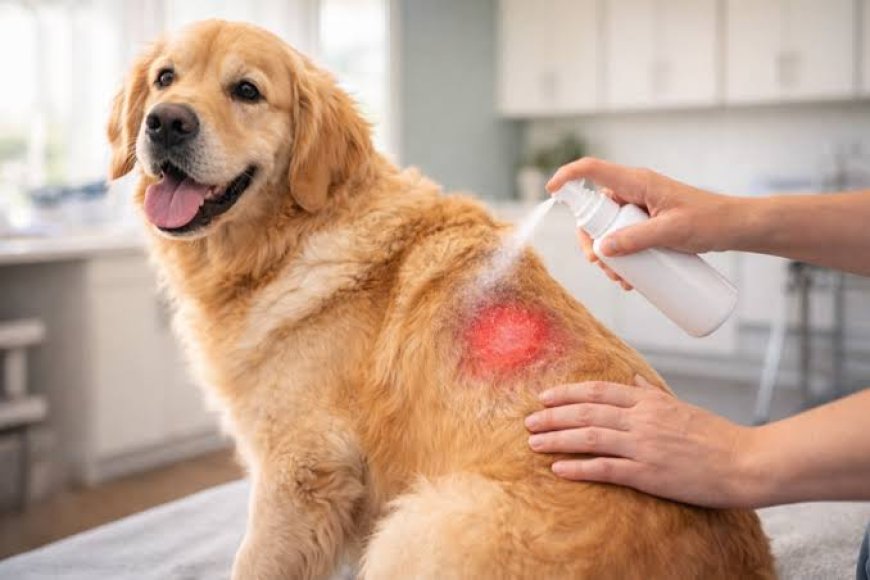
Hot spots commonly appear as red, moist lesions that are painful to the touch. They may ooze, lose fur, feel warm, or develop crusted edges as the irritation progresses.
Many dogs become extremely uncomfortable when hot spots develop, which is why prompt care matters.
Common Areas Where Hot Spots Occur
Hot spots frequently develop on the neck, face, ears, hips, tail base, and legs. The condition can worsen quickly, sometimes expanding significantly within a day or two.
Causes of Hot Spots
Hot spots are often symptoms of an underlying problem rather than a primary disease.
Allergies remain one of the most common triggers. Persistent itching causes dogs to scratch repeatedly, creating skin trauma. Parasites such as fleas and mites can also cause severe irritation that leads to hot spot formation.
Dogs with painful ears may scratch excessively around the head and neck, resulting in localized skin damage. In other cases, thick coats can trap moisture against the skin after swimming or bathing, which encourages bacterial growth and irritation.
Stress and behavioral factors may also play a role. Some dogs develop excessive licking behaviors related to boredom, anxiety, or frustration, which can contribute to hot spot development over time.
Understanding Skin Infections in Dogs
Skin infections occur when bacteria, yeast, or fungi multiply excessively on the skin. Healthy skin naturally contains microorganisms, but damage to the skin barrier can allow these organisms to overgrow.
Bacterial Skin Infections
Bacterial infections often develop secondary to allergies or skin trauma. They may cause redness, pustules, hair loss, odor, and crusting. In many cases, the infection is not the original problem but a complication of another skin issue.
Yeast Infections
Yeast infections commonly affect the ears, paws, and skin folds. Affected dogs may develop greasy skin, itching, and a distinct odor that is often described as musty or sour.
Fungal Infections
Certain fungal infections can also affect the skin and coat, requiring specialized diagnosis and treatment. Because fungal problems can resemble allergies or bacterial infections, testing is often needed to confirm the cause.
How Veterinarians Diagnose Skin Conditions
Because many skin disorders look similar, proper diagnosis is essential. Veterinarians may recommend several diagnostic approaches to identify the underlying cause and create an effective treatment plan.
A thorough skin evaluation helps identify affected areas and potential triggers. During a routine dog wellness exam, veterinarians may notice subtle skin changes before they become major problems. This is one reason a regular wellness visit is so valuable, even when a dog seems healthy overall.
Skin cytology is another useful tool. By examining skin samples under a microscope, veterinarians can identify bacteria, yeast, and inflammatory cells that help narrow down the diagnosis.
Additional testing may be recommended to evaluate environmental or food-related allergies. In some cases, comprehensive diagnostic evaluations may include bloodwork and diagnostics when underlying medical conditions are suspected.
Treatment Options for Allergies, Skin Infections, and Hot Spots
Treatment depends on the underlying cause, which is why a proper diagnosis matters so much. A skin problem caused by allergies may need a very different approach than one caused by bacteria or yeast.
Managing Allergies
Treatment strategies may include allergy medications, dietary changes, flea prevention, medicated shampoos, and environmental modifications. Some dogs benefit from long-term management plans that reduce flare-ups and improve comfort over time.
Treating Hot Spots
Treatment often involves clipping fur around the lesion, cleaning the affected area, and applying topical medications. Antibiotics may be needed when infection is present, and preventing further licking is an important part of healing.
Supporting Recovery at Home
At home, pet owners should follow all veterinary instructions carefully. Keeping the area clean and dry, using an e-collar if recommended, and avoiding over-the-counter products without guidance can help prevent the problem from getting worse.
If your dog needs a more complete evaluation, the team can review available veterinary services and recommend the right next steps.
Preventing Recurring Skin Problems
Skin conditions often return if the underlying cause is not addressed. That is why prevention is just as important as treatment.
A routine canine wellness exam gives your veterinarian a chance to review skin health, parasite prevention, and any changes in your dog's coat or behavior. These visits can also help identify patterns that point to allergies or chronic irritation.
Keeping up with pet vaccination services and parasite prevention can also reduce the risk of secondary skin problems. While vaccines do not prevent every skin issue, overall preventive care supports a healthier immune system and lowers the chance of complications from other illnesses.
Other helpful prevention steps include regular grooming, bathing with veterinarian-approved products, drying the coat thoroughly after swimming or bathing, and monitoring for early signs of itching or redness.
When to Take Dog to Vet for Skin Issues
Knowing when to take dog to vet for skin problems can make a big difference in your dog's comfort and recovery. Some mild irritation may improve with simple care, but persistent or worsening symptoms should never be ignored.
|
Situation |
Why It Matters |
|
The hot spot is spreading quickly |
Infection may be worsening |
|
Your dog seems painful or restless |
The skin barrier may be damaged |
|
There is odor, pus, or bleeding |
Medical treatment may be needed |
|
Symptoms last more than a few days |
The underlying cause may require diagnosis |
If your dog is scratching nonstop, losing hair, or developing repeated infections, it is time to schedule an exam. A veterinarian can determine whether the issue is allergy-related, infectious, or caused by another medical condition.
Final Thoughts
Allergies, skin infections, and hot spots are common in dogs, but they should not be dismissed as minor annoyances. These conditions can cause significant discomfort and may signal a deeper health issue that needs attention.
A proactive approach that includes regular wellness care, parasite prevention, and prompt veterinary evaluation can help protect your dog's skin and overall well-being. If you are unsure whether your pet needs a sick visit or a routine canine wellness exam, the best next step is to talk with a trusted veterinary team.
You can also meet our team to learn more about the people who can help guide your dog's care and keep skin problems from becoming long-term issues.
FAQs
Q: What are the most common signs that my dog has a skin problem?
A: Common signs include itching, licking, chewing, redness, hair loss, odor, and recurring ear infections. If symptoms continue or worsen, a veterinarian can help determine whether allergies, infection, or another issue is causing the problem.
Q: How do I know when to take dog to vet for a hot spot?
A: You should schedule a visit if the hot spot is spreading, oozing, painful, or not improving within a day or two. Fast treatment can help prevent infection and reduce discomfort before the condition becomes more severe.
Q: Can a dog wellness exam help prevent skin problems?
A: Yes. A dog wellness exam gives your veterinarian a chance to check the skin, coat, ears, and overall health. Early detection can help identify allergies, parasites, or irritation before they turn into bigger problems.
Q: Are hot spots always caused by allergies?
A: No. Allergies are a common cause, but hot spots can also develop from fleas, ear infections, moisture trapped in the coat, or excessive licking due to stress. Identifying the trigger is important for effective treatment.
Q: What is the difference between a canine wellness exam and a sick visit?
A: A canine wellness exam focuses on prevention and early detection, while a sick visit addresses active symptoms or illness. Both are important, but skin problems that are worsening usually need a sick visit for proper diagnosis and treatment.
What's Your Reaction?
 Like
0
Like
0
 Dislike
0
Dislike
0
 Love
0
Love
0
 Funny
0
Funny
0
 Angry
0
Angry
0
 Sad
0
Sad
0
 Wow
0
Wow
0
Related Posts




-
 treeremovalGet instant tree removal estimates using a Tree Removal Cost Calculator designed for fast planning. Review likely costs based on tree height, condition, and work complexity. Budget more accurately and understand pricing factors before reaching out to professional removal companies. https://treeremovalscostcalculator.com/