













What Is Driving Engineers to Pursue Careers in Civil Design?

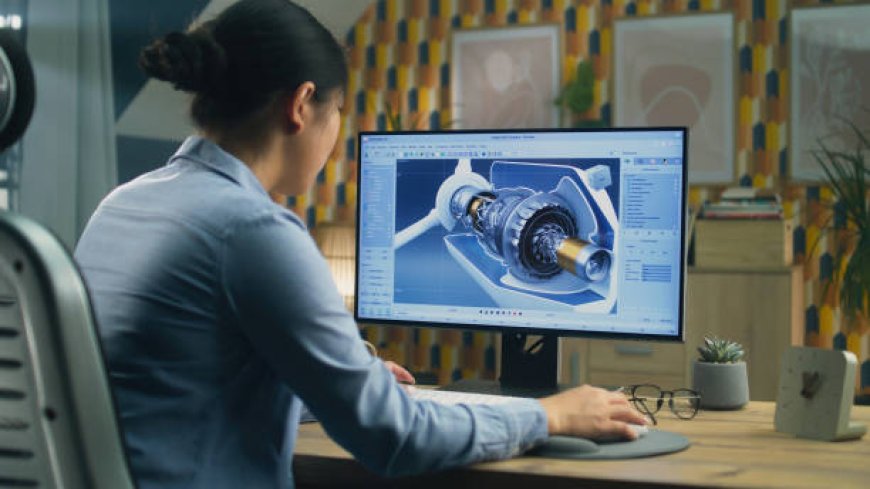
Funny thing happens in this industry every few years, a wave of engineers or drafters suddenly realize they've been doing things the slow way while everyone else moved on. AutoCAD Civil 3D training online has become the go-to fix for that realization, and honestly it makes sense once you look at where the industry's heading. Firms don't want someone who just knows lines and layers anymore, they want people who understand dynamic models, who can adjust a corridor and watch everything downstream update without redoing the whole sheet. I got into this stuff kind of by accident, needed it for a job, figured I'd learn just enough to get by. Ended up going deeper than I planned because once you see what the software can actually do, going back to flat drafting feels painful.

The Gap Between Knowing AutoCAD and Knowing Civil 3D
This trips a lot of people up, and I get why. They assume knowing regular AutoCAD means they're basically ready for the civil-specific tools, maybe just a few new buttons to learn. Not even close, honestly. The whole logic is different. You're not drawing static lines anymore, you're building relationships between objects, surfaces talk to corridors, corridors talk to pipe networks, and if you change one thing upstream everything else shifts too. It's powerful once it clicks but the first few weeks feel like starting from zero again, which frustrates a lot of experienced drafters who thought they'd breeze through it. Patience matters more here than raw technical skill, at least early on.
Why the Learning Curve Actually Pays Off Long Term
I won't lie and say it's a quick skill to pick up, because it isn't, but the payoff is real. Once you understand how the dynamic modeling actually works, tasks that used to eat an entire afternoon get done in twenty minutes. Grading revisions, corridor adjustments, quantity takeoffs, all of it moves faster and with fewer mistakes. And mistakes in civil design aren't cheap ones, we're talking real money if a drainage plan is off or a road profile doesn't match the site conditions. Training properly, instead of piecing it together from scattered forum posts, saves you from learning that lesson the hard way on an actual project.
Where Visualization Starts to Matter More Than People Expect
Here's something a lot of technical folks overlook until it bites them, clients don't read plan sets the way engineers do. They see contour lines and utility symbols and their eyes glaze over, understandably. This is exactly where SketchUp rendering services start earning their keep, because a decent visual, even a rough one, communicates more in ten seconds than a full drawing set does in ten minutes of explanation. I've sat in meetings where a simple massing render turned a confused, skeptical client into someone nodding along and asking good questions instead of blank ones. It's not about making things pretty for the sake of it, it's about communication, plain and simple, and communication wins projects.
Combining the Two Skill Sets Instead of Picking One
Most people treat modeling and visualization like separate career paths, pick one lane and stay in it. That's a mistake in my opinion. If you can build an accurate site model and then hand off clean geometry into a rendering workflow, you become genuinely hard to replace. I've worked with folks who could only do the technical modeling and folks who could only do pretty renders, and both groups constantly needed each other to finish anything client-facing. The ones who could do both, even at a basic level, moved faster and got trusted with bigger projects sooner. There's real value in not being boxed into just one half of the process.
What Actually Happens During a Solid Training Program
People imagine training as just watching someone click through menus for hours, and bad courses are exactly that, unfortunately. A decent program walks you through real project scenarios, not just isolated tool demonstrations. You learn why a surface behaves a certain way, not just how to click the button that creates one. You work through actual grading problems, actual pipe network conflicts, the stuff that shows up on real job sites and makes people want to throw their monitor across the room. That context is what separates people who can operate the software from people who can actually solve problems with it, and employers notice the difference pretty quickly once you're on their team.
The Job Market Angle Nobody Talks About Enough
Look at postings for civil engineering roles, drafting roles, even some project coordinator positions, and you'll notice a pattern now. Dynamic modeling experience keeps showing up as a requirement, not a bonus anymore. Firms are tired of training people from absolute zero, it costs them time and money they'd rather not spend. Coming in already competent means you skip that awkward ramp-up period where you're mostly a liability while everyone waits for you to get useful. It also tends to translate into better pay negotiations, because you're not asking them to gamble on your potential, you're showing up with proof you can already do the work they need done.
Thinking About the Investment Realistically
Cost comes up every time this topic gets discussed, and fair enough, training isn't free and neither is time spent away from billable work or job hunting. But stack that against years of a career where you're either stuck doing the slow manual stuff or actively falling behind colleagues who invested in learning the modern tools. The math tends to favor training pretty clearly once you think it through past the initial sticker shock. Some people try to piece it together for free through scattered tutorials, and sure, that can work if you're disciplined and patient, but most people I've seen try that route end up with gaps in their understanding that show up later at the worst possible moments.
Conclusion
At the end of the day, this comes down to staying relevant in a field that keeps shifting under everyone's feet whether they're ready or not. Learning proper dynamic modeling changes how fast and how accurately you work, full stop. Pairing that with an understanding of visualization, even just enough to work alongside a rendering specialist effectively, rounds you out in a way that makes you genuinely more valuable on any team. Nobody's saying you need to master everything overnight, that's not realistic and honestly nobody expects it. But putting in the effort now, instead of waiting until you're the only one on the team still drafting the old way, tends to pay off in ways that are hard to ignore once you look back a few years later.
What's Your Reaction?
 Like
0
Like
0
 Dislike
0
Dislike
0
 Love
0
Love
0
 Funny
0
Funny
0
 Angry
0
Angry
0
 Sad
0
Sad
0
 Wow
0
Wow
0