


















How to Fit the ResMed AirFit P30i Correctly
Step-by-step instructions for fitting the resmed airfit p30i nasal pillow mask correctly, plus tips to avoid leaks and discomfort.
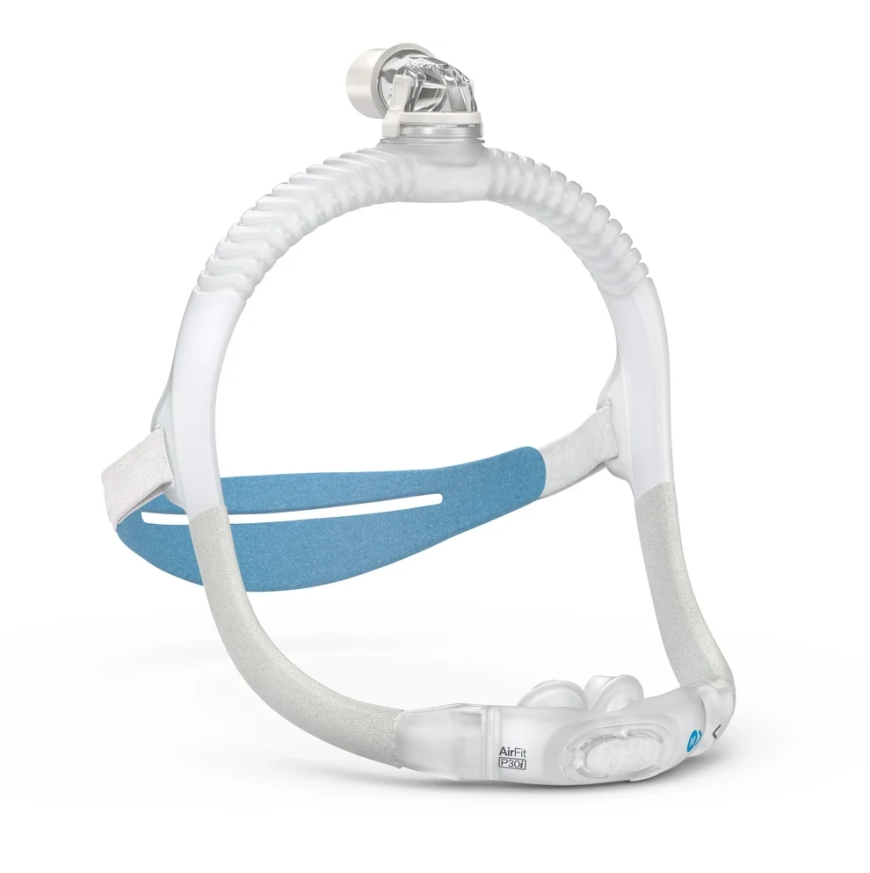
Getting a proper fit is the single biggest factor in how comfortable and effective your resmed airfit p30i feels each night. A mask that's the wrong size — or simply put on incorrectly — can lead to leaks, red marks, and disrupted sleep. Here's how to fit it correctly, step by step.
Step 1: Choose the Right Cushion Size
The AirFit P30i's airfit p30i nasal pillow cushions come in multiple sizes (typically Small, Medium, and Large), and getting this right matters more than any other adjustment. Most starter packs include two or three sizes so you can test which one seals comfortably without over-pressuring your nostrils. If you're unsure, start with Medium and adjust from there based on comfort and seal quality.
Step 2: Put the Mask On Correctly
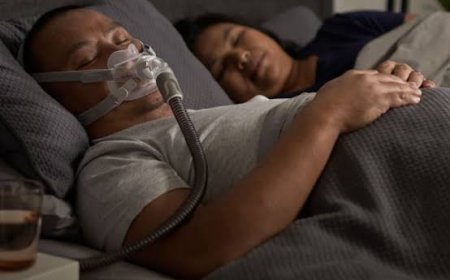
- Pull the frame and headgear over your head until the elbow sits on top of your head and the headgear rests behind your head.
- Position the cushion just under your nose, aligning the nasal pillows so they sit gently at the entrance of your nostrils — not deep inside them.
- Tighten or loosen the headgear evenly on both sides until the cushion feels secure but not pressed too tightly against your nose.
Step 3: Adjust the Headgear Tension
This is where most fitting mistakes happen. The instinct is to tighten the straps whenever you notice a leak, but over-tightening the P30i can actually distort the nasal pillows and cause more air to escape rather than less. The straps should feel snug enough to stay in place through movement, but loose enough that the cushion isn't digging into your skin.
Step 4: Check the Seal Before Sleeping
With your CPAP machine running, check for:
- Air escaping around the base of the nasal pillows
- Whistling or hissing sounds near the cushion
- Discomfort or pressure at the top of the nostrils
If you notice any of these, first adjust headgear tension rather than immediately switching cushion sizes — small tension adjustments solve most fitting issues.
Step 5: Let the SpringFit Frame Do Its Job
One advantage of the AirFit P30i is its SpringFit frame, which is designed to automatically flex and adapt to different facial profiles. Avoid forcing the frame into a specific shape — let it settle naturally against your face as you tighten the headgear, since manually bending it can interfere with its intended fit.
Common Fitting Mistakes to Avoid
- Inserting the pillows too deep into the nostrils – they're designed to seal at the entrance, not deep inside
- Over-tightening the headgear – this often creates leaks rather than preventing them
- Skipping the sizing test – always try multiple cushion sizes from your fit pack rather than assuming one size will work
- Ignoring persistent discomfort – if a properly sized cushion still causes irritation after several nights, it may be worth trying the interchangeable AirFit N30i nasal cradle cushion, which is compatible with the same P30i frame
When to Seek Professional Fitting Help
If you've tried different cushion sizes and adjusted headgear tension but still experience consistent leaks or discomfort, it's worth consulting your CPAP supplier or sleep specialist. Persistent fitting issues can sometimes indicate an unusual facial profile that may benefit from a different mask style entirely.
Where to Buy
Looking to buy CPAP mask UAE-wide? You can order the genuine resmed airfit p30i nasal pillow mask here:
👉 Shop the ResMed AirFit P30i – CPAPMedTrade
Taking the time to fit your P30i correctly — starting with the right cushion size and careful headgear adjustment — makes the difference between a mask you tolerate and one you barely notice while you sleep.
What's Your Reaction?
 Like
0
Like
0
 Dislike
0
Dislike
0
 Love
0
Love
0
 Funny
0
Funny
0
 Angry
0
Angry
0
 Sad
0
Sad
0
 Wow
0
Wow
0